What Is Baguio City Known For?
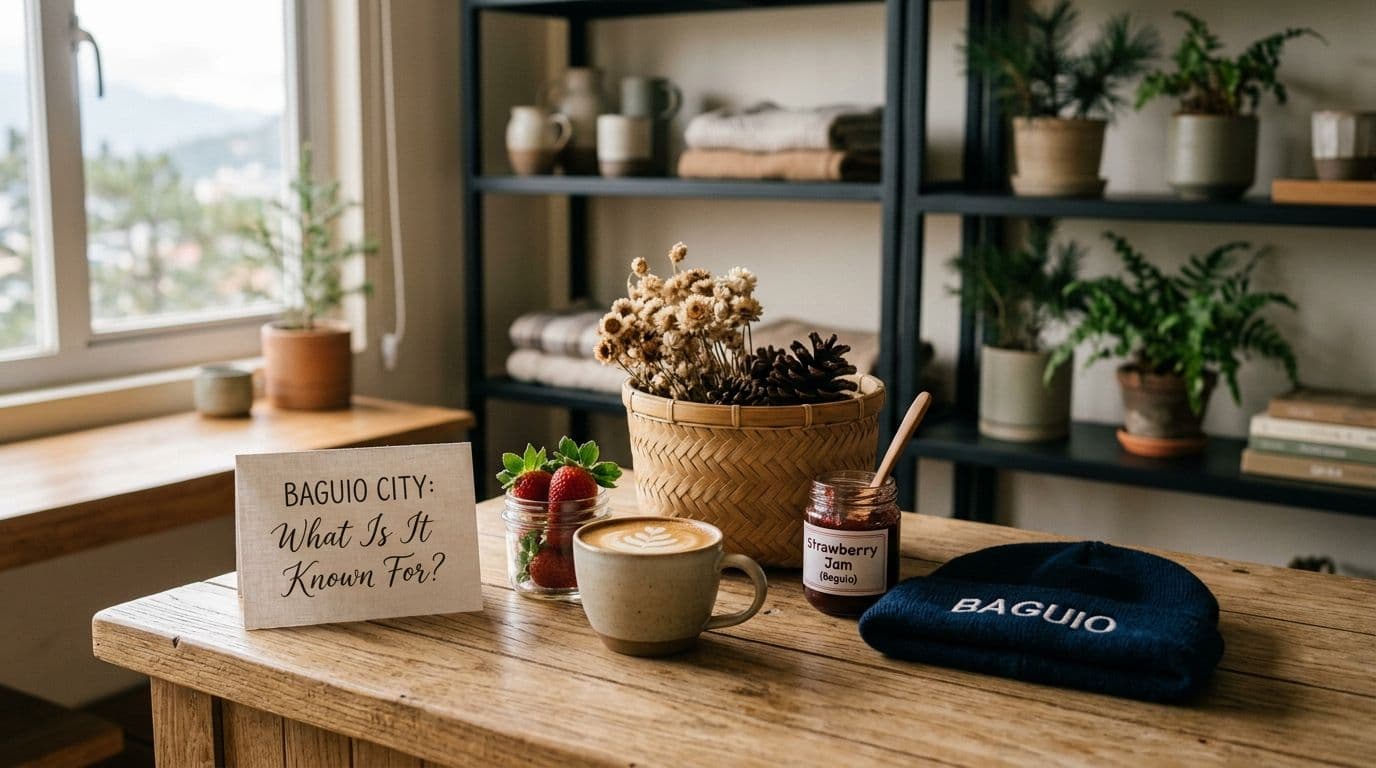
What is Baguio City actually known for? A native who left and comes back gives an honest, unranked-listicle answer to why this mountain city is famous.
People ask me this a lot, usually right before they book a trip: what is Baguio City actually known for? I grew up in Benguet, so for most of my life I never had to answer that question. Baguio was just home. It was where the air got cold enough that you needed a jacket in a tropical country, where my mother bought vegetables at the market on weekends, where fog rolled down Kennon Road like it had somewhere to be. It took moving abroad and coming back every year or two for me to see it the way visitors do, as a place with a reputation to live up to.
So here is my honest answer, not a tourism brochure version. I run JMG Nest, a vacation rental in La Trinidad Valley about fifteen minutes from the city center, and I talk to guests every season who arrive with a mental image of Baguio built from old family stories, Instagram reels, or a single childhood trip decades ago. Some of that image is accurate. Some of it is outdated. Let me sort through what is real.
If you are still in the planning stage, it helps to read this alongside our complete Baguio City travel guide, which goes deeper into logistics. This post is about identity: what the city actually is, not just what to do there.
What Is Baguio City Known For?
Baguio is known, first and foremost, for its climate. It sits at roughly 1,500 meters above sea level, which gives it temperatures that regularly dip into the mid-teens Celsius, sometimes lower during the December to February cold snap. That is the entire reason the Americans built it as a hill station in the early 1900s, and it is still the number one reason Filipinos from the lowlands make the trip. You do not need an explanation for why a country that averages 27 to 32 degrees Celsius year-round would fall in love with a city where you need a sweater in the morning.
Beyond the weather, Baguio is known for a specific cluster of things:
- Strawberries and vegetables from the Cordillera highlands, most of which are actually grown in La Trinidad, not Baguio proper, a detail almost nobody outside Benguet knows
- Session Road, the old commercial spine of the city, still lined with bookstores, old cinemas turned into something else, and the kind of foot traffic that has defined Baguio nightlife for generations
- Baguio Public Market, an enormous, chaotic, genuinely useful place to buy pasalubong, produce, and ukay-ukay finds
- Pine trees and a hilly, walkable-in-parts layout that makes it feel different from almost anywhere else in the Philippines
- Its universities, especially University of the Philippines Baguio and Saint Louis University, which give the city a permanent student population and a younger energy than you might expect from a mountain town
- Being the summer capital of the Philippines, a title given to it during the American colonial period that has stuck for over a century
If you want the pasalubong side of this fleshed out, our guides on Baguio pasalubong prices and the public market shopping guide cover exactly what to buy and what it costs in 2026.
Why Is Baguio Famous?
You Might Also Like

Best Time to Visit the Philippines: Month-by-Month & Region Guide
The honest, month-by-month breakdown of when to visit the Philippines, written by someone who actually grew up in the mountains here, not a travel agency.
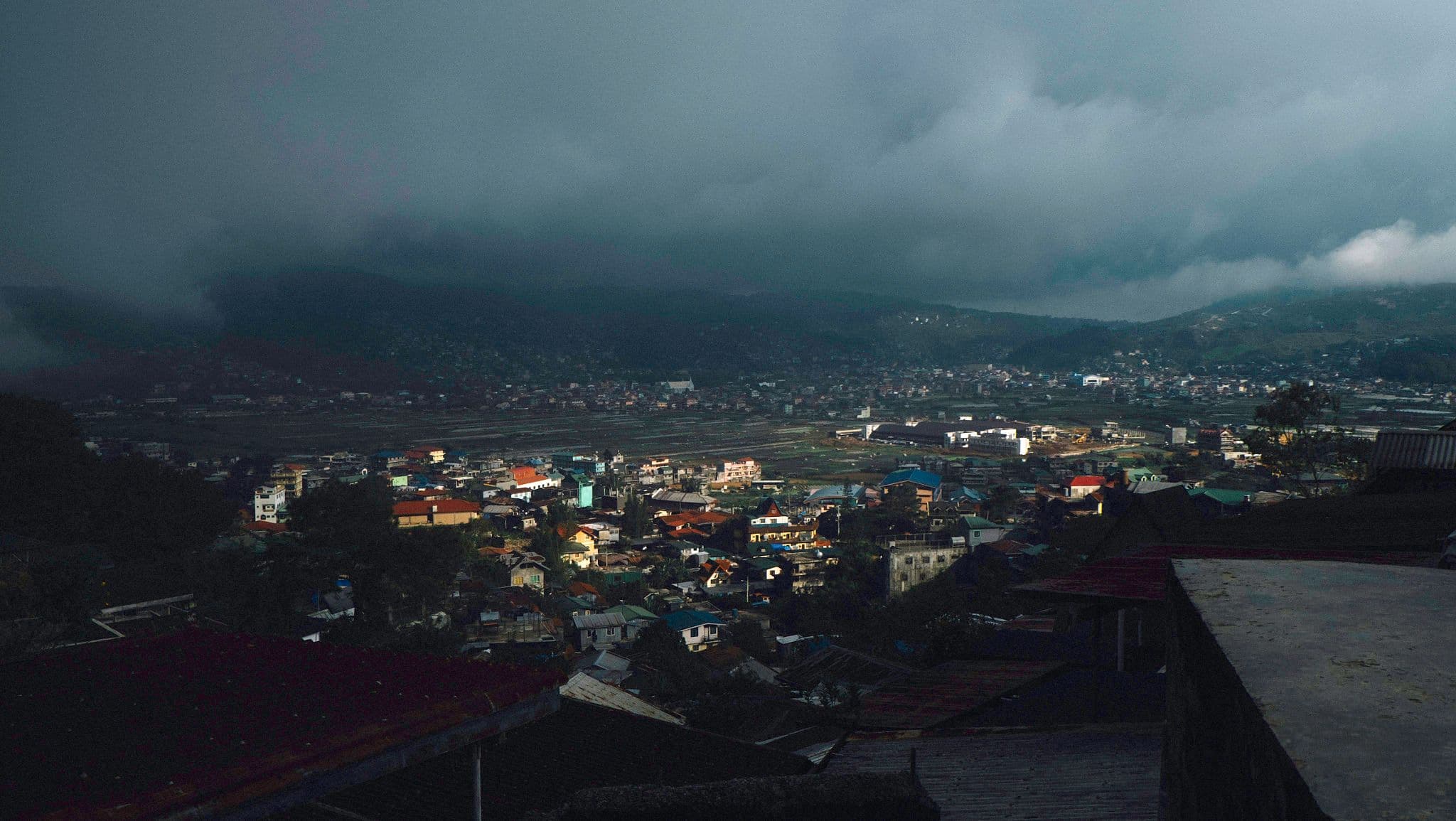
La Trinidad Benguet Travel Guide: The Complete Day Trip from Baguio (2026)
La Trinidad isn't just a strawberry farm pit stop. The capital of Benguet offers mountain views, trading posts, and adventures that deserve more than two hours.
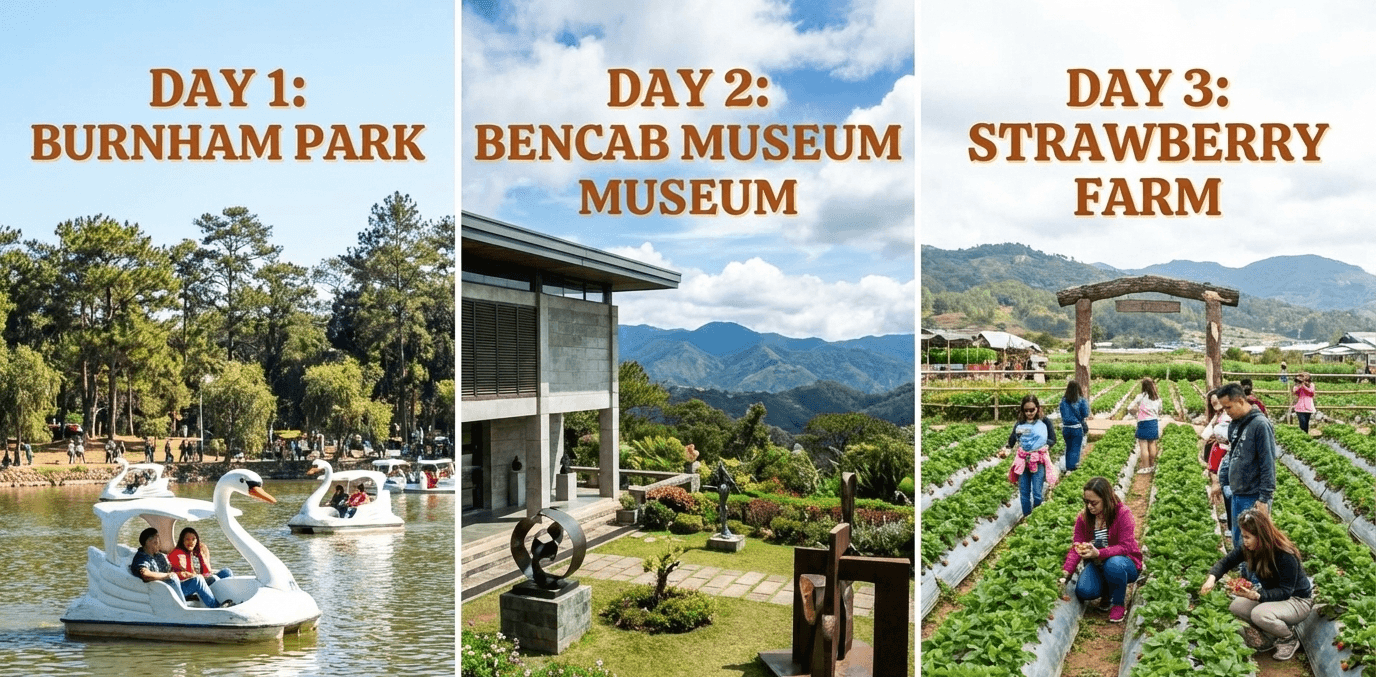
Baguio 3-Day Itinerary: Complete Guide for First-Timers
Perfect 3-day Baguio itinerary covering top attractions, local food, and hidden gems. Day-by-day guide with transportation tips and budget breakdown.