Baguio Public Market Pasalubong Guide: What to Buy and How to Haggle
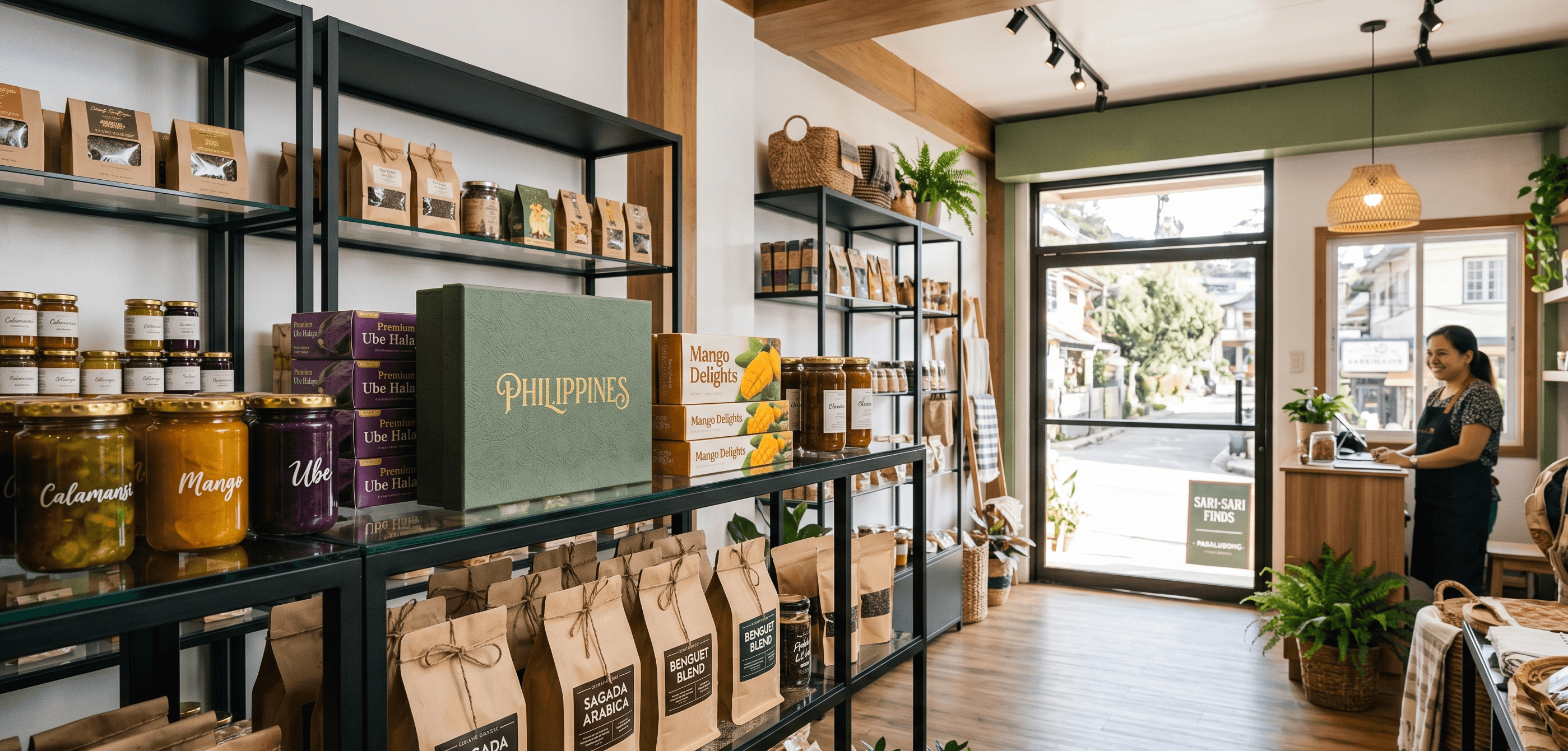
Navigate Baguio Public Market like a pro with this complete pasalubong guide. Learn where to find the best deals, how to haggle effectively, and which stalls offer the freshest products.
The Baguio Public Market can feel overwhelming at first glance. Narrow aisles packed with vendors, the constant buzz of haggling, and the maze-like layout make it seem chaotic. But once you understand how it works, you'll discover what locals have always known: this is where you get the best value for Baguio public market pasalubong in the entire city.
I grew up going to this market with my lola, watching her navigate the stalls with practiced ease. Now when I stay at JMG Nest during my visits home, it's still my go-to spot for authentic pasalubong shopping. The market has expanded and modernized somewhat, but the core experience remains the same. You just need to know where to look and how to play the game.
This guide will walk you through everything you need to know to shop like a local, avoid tourist traps, and come home with the best pasalubong at the best prices.
Understanding the Baguio Public Market Layout
The market is divided into distinct sections, each serving different purposes. Knowing this layout is crucial for efficient pasalubong shopping.
The Wet Market Section
This is where you'll find fresh produce, meat, and seafood. For pasalubong purposes, focus on the vegetable stalls here. The fresh vegetables from Benguet farms are what my family specifically requests every time I visit. The quality is exceptional, and prices are significantly lower than what you'll pay in Manila or other cities.
Look for strawberries (when in season), lettuce, broccoli, and carrots. The vendors here start selling at dawn, so the earlier you arrive, the fresher your selection will be.
The Dry Goods and Pasalubong Section
This is your main hunting ground for traditional Baguio pasalubong. Located in the upper levels and newer sections of the market, this area houses dozens of stalls selling everything from ube jam to hand-woven textiles.
The stalls here are more tourist-oriented, which means higher starting prices but also better presentation and packaging. This is where you'll find items ready to give as gifts without additional wrapping.
The General Merchandise Area
Clothing, bags, and accessories fill this section. While not traditional pasalubong, you can find good deals on sweaters, jackets, and Cordillera-inspired clothing here. Quality varies significantly from stall to stall, so inspect items carefully.
Best Baguio Market Pasalubong to Buy
Not all pasalubong are created equal at the public market. Some items offer exceptional value, while others are better purchased elsewhere.
What to Definitely Buy Here
Peanut Brittle: The market has some of the best peanut brittle vendors in the city. Look for stalls that make it fresh daily. You can often watch them pour and cut the brittle right in front of you. This is what I always bring back to friends in the States.
Ube Products: Ube jam, ube cookies, and ube pastillas are significantly cheaper here than at specialty shops along Session Road. The quality is comparable, and you can often find variants not available elsewhere.
Fresh Vegetables: If you're driving back or can arrange proper storage, the fresh produce here is unbeatable. Benguet vegetables are the best in the Philippines, and buying direct from the source saves you considerable money.
Strawberry Jam and Products: During strawberry season (December to May), the jam and preserves here are made with locally grown strawberries and cost half of what you'd pay at tourist-focused shops.
Coffee Beans: Several stalls sell locally roasted Cordillera coffee beans. The quality is excellent, and prices are very reasonable compared to branded coffee shops.
What to Be Cautious About
Processed Meats: Longganisa and other processed meats are available, but quality can be inconsistent. Unless you know the vendor personally or can verify freshness, it's better to buy these from established shops.
Honey: While local honey is available, authenticity can be questionable. Some vendors mix in corn syrup or other additives. Buy from stalls that can tell you exactly where their honey comes from.
Handicrafts and Textiles: The market has beautiful woven items, but many are mass-produced imitations of traditional Cordillera textiles. For authentic pieces, you're better off visiting specialized shops or going directly to weaving communities.
Mastering the Art of Haggling at Baguio Market
Haggling is expected at the public market, but there's a proper way to do it that respects both you and the vendor.
Starting Your Negotiations
Begin at about 60% of the asking price. This isn't insulting; it's the expected starting point. If someone quotes you ₱200 for an item, counter with ₱120. From there, you'll typically settle somewhere in the middle.
Don't start too low. Offering 40% or less of the asking price suggests you don't understand the game and may actually result in higher final prices.
Effective Haggling Strategies
Bundle Purchases: Buy multiple items from the same vendor. This gives you more leverage and often results in better per-item pricing. "How much for three bottles of ube jam?" works better than haggling on single items.
Show Interest But Stay Casual: Express genuine interest in the product, but don't appear desperate to buy. "This looks good, but I'm still looking around" can prompt better offers.
Be Friendly: A smile and polite conversation in Filipino or English goes a long way. Vendors appreciate customers who treat them with respect, and they're more likely to offer good deals to pleasant people.
Know When to Walk Away: If you can't reach a mutually acceptable price, politely thank the vendor and move on. Often, they'll call you back with a better offer. Sometimes, they won't, and that's fine too.
Realistic Discount Expectations
Expect to pay 70-80% of the initial asking price on most items. Getting items for half the asking price is possible but unusual, typically only for larger purchases or end-of-day shopping.
For food items like ube jam or peanut brittle, discounts are smaller, usually 10-20% off the asking price. These items have thinner margins than clothing or handicrafts.
Specific Stalls Worth Knowing
While stall assignments can change, certain vendors have established reputations for quality and fair pricing.
Finding the Right Vendors
Look for stalls that locals frequent. If you see Filipino families shopping at a particular vendor, that's usually a good sign. Tourist-only stalls often have inflated prices and inconsistent quality.
Ask locals for recommendations. Market guards and other vendors are usually happy to point you toward reputable sellers, especially if you're polite and explain you're looking for gifts to bring home.
Check for freshness indicators. For food items, look for high turnover, proper storage, and vendors who can tell you when items were made or delivered.
Best Times to Visit for Pasalubong Shopping
Timing your visit can significantly impact both selection and prices.
Optimal Shopping Windows
Early Morning Weekdays: Arrive between 7-9 AM on Tuesday through Thursday for the best selection and freshest products. Vendors are setting up, produce is at its peak, and you'll have time to browse without crowds.
Late Afternoon: If you prefer slightly better prices over selection, visit 4-6 PM. Vendors may offer discounts to move products before closing, especially perishable items.
Times to Avoid
Weekends: Saturday and Sunday bring crowds that make browsing difficult and reduce vendors' motivation to negotiate. Prices are at their highest, and selection may be picked over.
Holiday Periods: Avoid Holy Week, Christmas season, and major Filipino holidays. The market becomes extremely crowded, parking is nearly impossible, and prices increase due to high demand.
Rainy Days: While you might think rain would mean fewer customers and better deals, it actually makes shopping miserable due to wet floors, crowded covered areas, and vendors protecting their goods.
What NOT to Buy at Baguio Public Market
Some items are simply better purchased elsewhere, either for quality or value reasons.
Good Shepherd Products: The famous ube jam and other Good Shepherd items are available here, but they're often older stock or may be counterfeit. Buy these directly from Good Shepherd or authorized retailers.
Branded Items: Any item claiming to be from specific popular brands is likely fake. Stick to generic or local products where authenticity isn't an issue.
Fresh Flowers: While beautiful, the flowers here are meant for local use, not travel. They won't survive a long journey home, and better-packaged options exist at flower shops along major roads.
Making Your Market Visit Part of Your Baguio Experience
The public market isn't just about shopping; it's a cultural experience that connects you to local life in ways that tourist attractions can't.
Take time to observe how locals interact with vendors, sample food items when offered, and don't be afraid to ask questions about unfamiliar products. Many vendors speak English and enjoy sharing information about their goods.
Consider combining your market visit with other nearby attractions. The market is walking distance from Burnham Park and close to Session Road, making it easy to incorporate into a broader Baguio itinerary.
For more comprehensive pasalubong recommendations beyond the public market, check out our complete Baguio pasalubong guide which covers all the best shopping spots in the city.
If you're planning a longer stay to really explore Baguio's markets and attractions, consider booking your accommodation at JMG Nest in nearby La Trinidad. You'll be close enough to make multiple market trips while enjoying mountain views and a peaceful base for your Baguio adventure.
Frequently Asked Questions
What are the must-buy items at Baguio Public Market for pasalubong?
Peanut brittle, ube products, fresh Benguet vegetables, strawberry preserves, and local coffee beans offer the best value and authenticity at Baguio Public Market.
How much can I expect to haggle down prices at the Baguio market?
Start at 60% of the asking price and expect to settle at 70-80% for most items. Food products typically have smaller margins for negotiation than clothing or handicrafts.
What time is best for pasalubong shopping at Baguio Public Market?
Early morning (7-9 AM) on weekdays offers the best selection and freshest products. Avoid weekends and holiday periods when crowds make shopping difficult and prices increase.
Are there items I should avoid buying at the Baguio Public Market?
Avoid branded items (likely counterfeit), processed meats unless you can verify freshness, and any products claiming to be from specific popular manufacturers. Stick to local, unbranded items for the best value and authenticity.
You Might Also Like
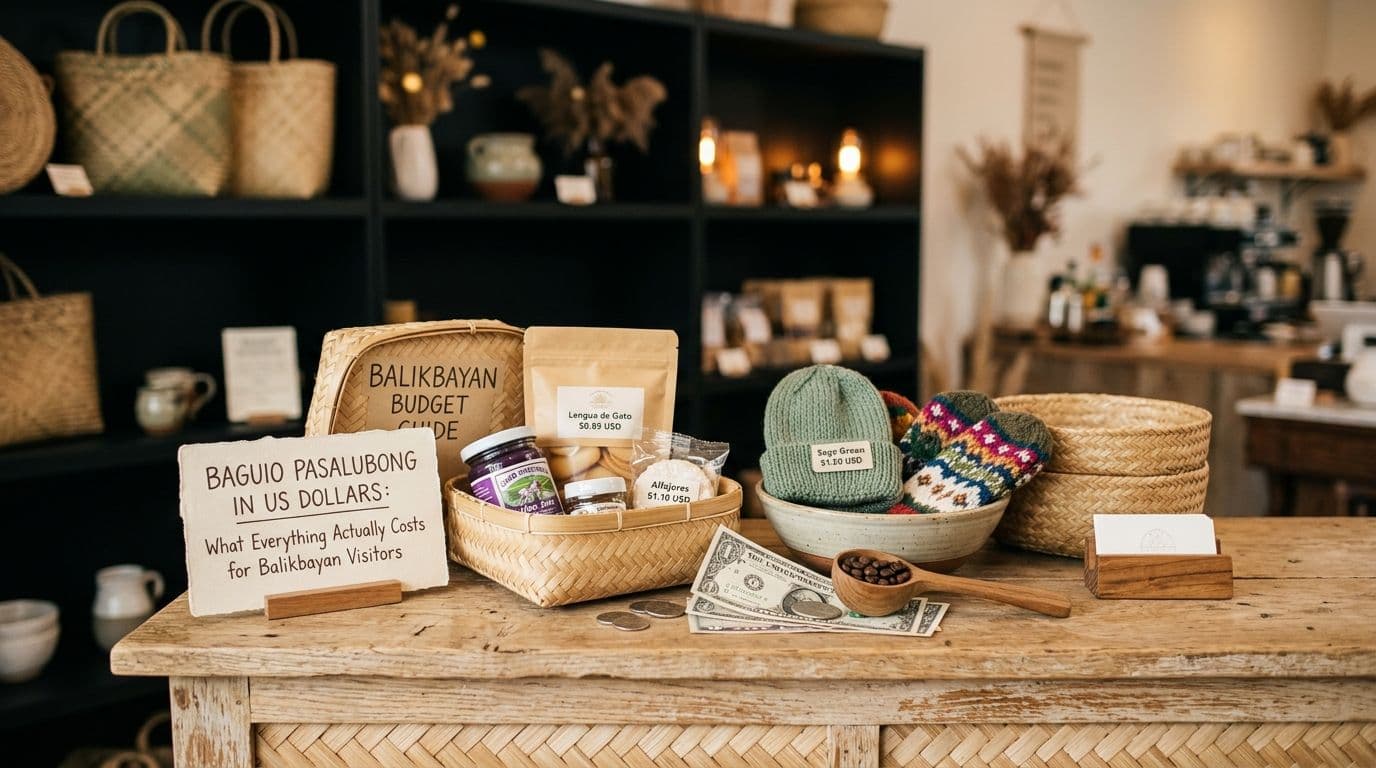
Baguio Pasalubong in US Dollars: What Everything Actually Costs for Balikbayans
A dollar-based price guide to Baguio pasalubong for balikbayans, with what's worth buying and what's just tourist markup.
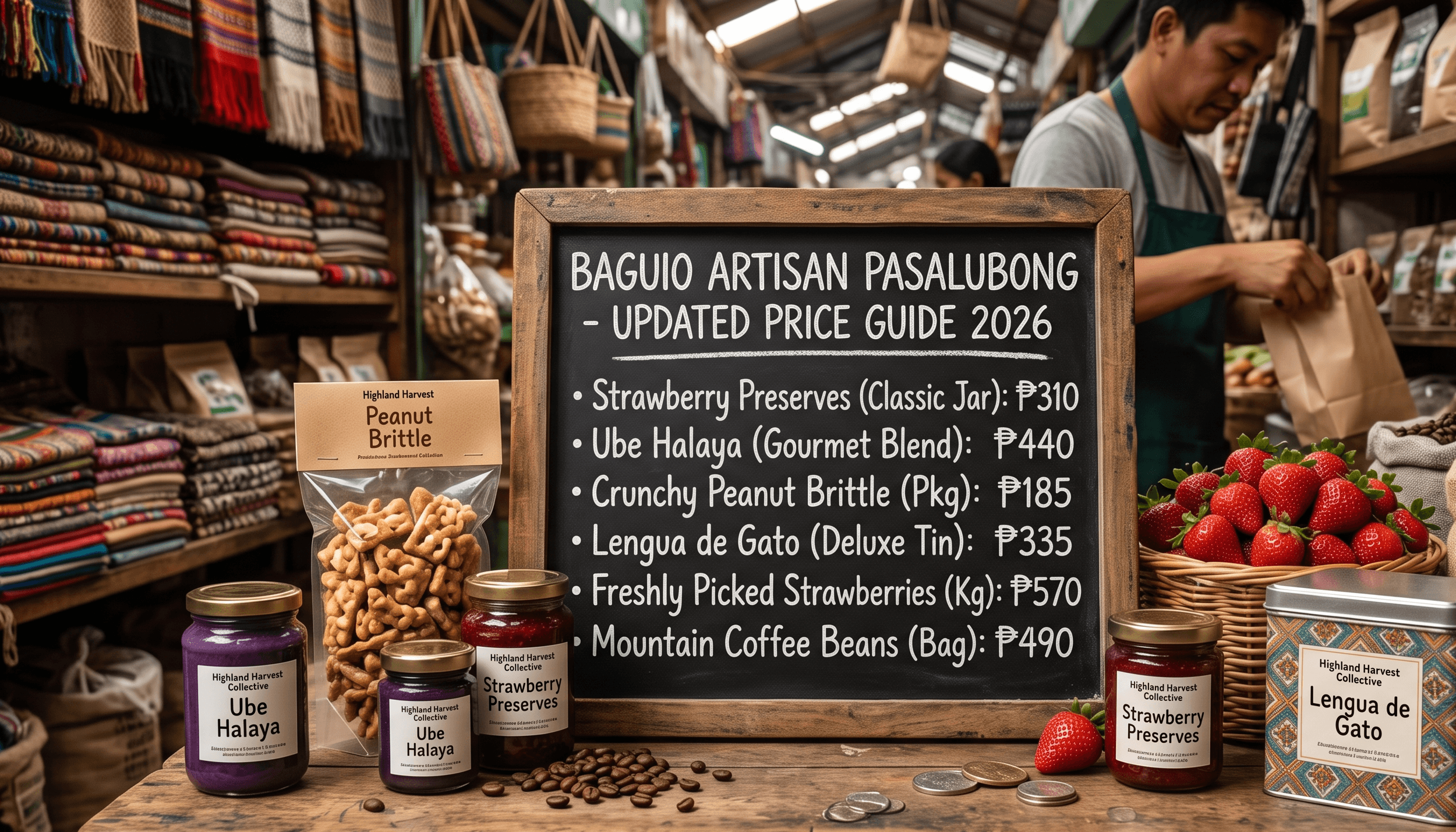
Baguio Pasalubong Price List 2026: What Everything Actually Costs
A real, checked Baguio pasalubong price list for 2026, with Good Shepherd prices and honest notes on what's actually worth buying.
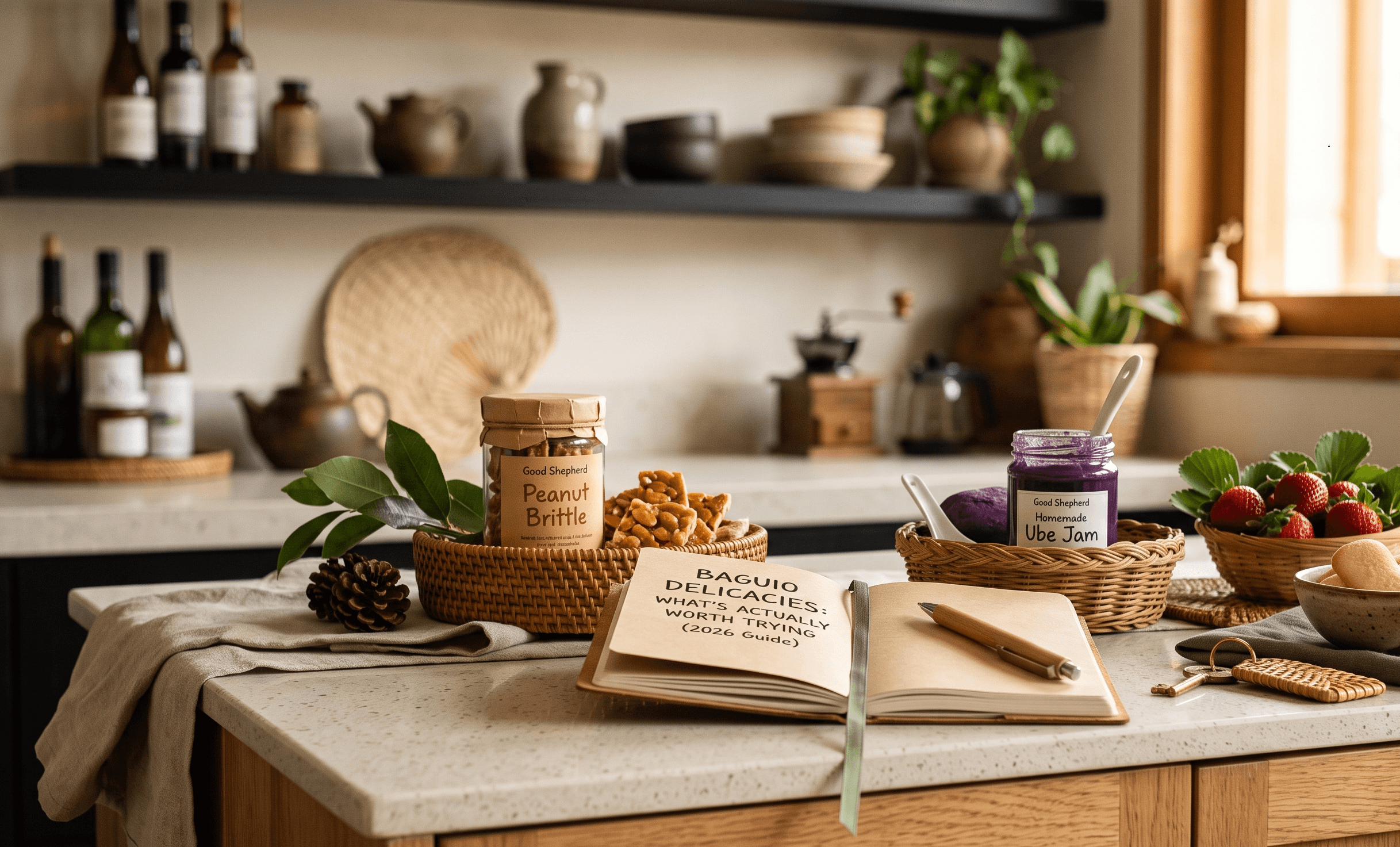
Baguio Delicacies: What's Actually Worth Trying (2026 Guide)
Not every Baguio delicacy deserves suitcase space. Here's a native's honest ranking of what's worth trying, what's worth buying, and what to skip.