Baguio Pasalubong Guide: Everything to Buy, Where to Get It, and What's Actually Worth It (2026)
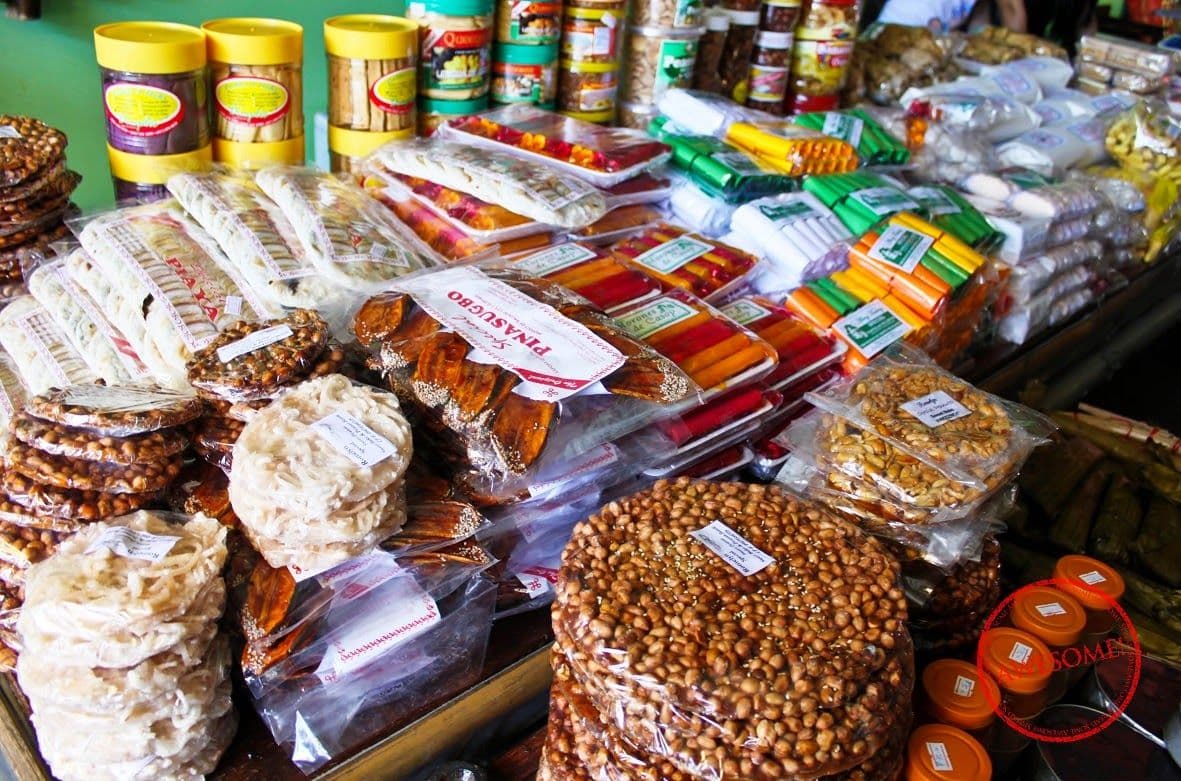
Your complete guide to Baguio pasalubong shopping - from Good Shepherd's legendary ube jam to Public Market finds. Learn what travels well, where to get the best prices, and which souvenirs are actually worth buying.
Every time I visit home from the States, the question is always the same: "Ano bang pasalubong mo?" The expectation is clear. You don't come back from Baguio empty-handed. After years of trial and error, carrying suitcases full of ube jam through airports and watching peanut brittle crumble in overhead bins, I've learned what actually works as Baguio pasalubong.
The thing about pasalubong shopping in Baguio is that half the vendors are selling the same mass-produced items you can find in Manila, just with a "Baguio" sticker slapped on. The other half are selling genuine local products that your relatives will actually be excited to receive. The trick is knowing the difference. From my base at JMG Nest in La Trinidad, I've had plenty of opportunities to figure out which Baguio souvenirs are worth the suitcase space and which ones you should skip entirely.
This guide covers everything you need to know about buying pasalubong in Baguio. What's actually made here versus what's imported from other provinces, where to get the best prices, what survives international flights, and most importantly, what will make your family and friends back home genuinely happy to receive.
Food Pasalubong: The Baguio Classics That Actually Deliver
Good Shepherd Ube Jam: The Non-Negotiable
Let's start with the obvious one. Good Shepherd's ube jam is not just a Baguio pasalubong. It's the Baguio pasalubong. Every Filipino who has spent time abroad knows this purple jar. I've never returned from Baguio without at least six bottles, and I've never had anyone complain about receiving it.
What makes Good Shepherd special is consistency. The nuns have been making this ube jam the same way for decades. The texture is smooth, the flavor is rich without being overly sweet, and it actually tastes like ube instead of artificial flavoring. More importantly, it travels well. I've carried these jars from Baguio to California countless times, and they've never broken or leaked.
You can only buy authentic Good Shepherd products from their convent on Gibraltar Road or their outlet at La Azotea. Don't buy "Good Shepherd" products from random souvenir shops. They're either overpriced or fake. The real ones cost ₱180-220 per jar depending on size, and that's a fixed price. No haggling.
Peanut Brittle: Market vs. Packaged Versions
Baguio peanut brittle comes in two categories: the individually wrapped, mass-produced versions you see everywhere, and the homemade brittle sold loose at the Public Market. The difference is night and day.
The good stuff comes from the vendors on the second floor of the Public Market. Look for the stalls where they're actually making it fresh. You'll smell it before you see it. The brittle should be thin, golden, and shatter cleanly when you bite it. The peanuts should be local ones, smaller and more flavorful than the imported varieties.
Market brittle costs about ₱100-150 per pack, depending on size. The individually wrapped tourist versions cost about the same but taste like sweetened cardboard. The challenge with market brittle is packaging it for travel. Ask for extra plastic bags and wrap each piece separately if you're flying. It's fragile but worth the effort.
Sundot Kulangot: The Name That Sells Itself
Sundot kulangot wins on novelty alone. The name literally translates to "pick your boogers," which makes it an instant conversation starter. Beyond the shock value, it's actually a decent coconut candy. Chewy, sweet, and travels well in its plastic containers.
You'll find sundot kulangot everywhere, but the original versions from the Public Market taste better than the ones sold at tourist spots. Market price is around ₱50-80 per container. Tourist shop price can go up to ₱120 for the exact same product.
Strawberry Products: What Actually Works
Here's where I'm going to save you some disappointment. Fresh Baguio strawberries are amazing, but they make terrible pasalubong unless you're driving straight home. They spoil quickly, and airport security will confiscate jams or preserves that aren't properly sealed.
Stick to commercially packaged strawberry products if you must. Strawberry tablea (chocolate tablets) from local makers travel well and taste good. Strawberry wine is available but check airline regulations if you're flying. Fresh strawberries are best enjoyed while you're in Baguio, not carried home as gifts.
Longganisa and Coffee: The Practical Choices
Baguio longganisa has a devoted following, and for good reason. It's garlicky, slightly sweet, and distinctly different from other regional varieties. The challenge is keeping it cold during travel. If you're driving home or have a short flight, it's worth buying. For longer trips, skip it unless you have a serious cooler setup.
Baguio coffee, on the other hand, travels perfectly and makes practical sense. The city isn't a major coffee-growing region, but several local roasters do excellent work with beans from nearby Benguet farms. Bags of ground coffee or whole beans make lightweight, useful gifts. Expect to pay ₱200-400 per bag for quality local roasts.
Non-Food Pasalubong: Crafts, Textiles, and Souvenirs
Woven Goods: Real vs. Machine-Made
Cordillera weaving is legitimate traditional craft, and you can find beautiful pieces in Baguio. The problem is sorting authentic handwoven items from machine-made copies. Real handwoven fabric has slight irregularities in the pattern and feels different to the touch. Machine-made versions are perfectly uniform and usually much cheaper.
For authentic pieces, visit the stalls along Session Road or the upper levels of the Public Market. Look for vendors who can explain the patterns and techniques. Authentic woven bags cost ₱800-3000 depending on size and complexity. Machine-made versions cost ₱200-500. If the price seems too good to be true for handwoven work, it probably is.
Wood Carvings: Tourist Trap or Legitimate Art?
Wood carvings in Baguio range from mass-produced tourist trinkets to genuine folk art. The tourist versions are usually made elsewhere and trucked in. They're lightweight, cheap (₱50-200), and look obviously machine-carved.
Authentic Cordillera wood carvings are heavier, more expensive (₱500-5000+), and show hand-carving marks. The wood should be local hardwood, and the designs should reflect actual cultural motifs rather than generic "tribal" patterns. These make meaningful gifts but are harder to find and much pricier.
Silver Jewelry and Accessories
Baguio has a small but active community of silversmiths, many working with traditional Cordillera designs. The silver jewelry sold in tourist areas is mostly mass-produced, but you can find authentic pieces if you know where to look.
Check jewelry shops along Session Road for locally made pieces. Prices vary widely based on silver content and craftsmanship. Simple silver earrings start around ₱300-500. More elaborate pieces with traditional designs can cost ₱1000-5000 or more. Ask about silver content and whether the piece was made locally.
Blankets and Textiles for Home
Baguio's cool climate creates a market for blankets and heavy textiles. You'll find everything from cheap fleece blankets with city logos to higher-quality woven throws. The tourist blankets (₱200-500) serve their purpose but aren't particularly special.
Better options are the heavier woven blankets and throws sold at textile shops around the city. These cost more (₱800-2500) but are actually useful and attractive. They're also bulky to transport, so factor that into your luggage planning.
Where to Shop: Location-by-Location Breakdown
Baguio Public Market: Best Prices, Biggest Selection
The Public Market remains the best place for serious pasalubong shopping. The selection is huge, prices are lowest, and you can find both tourist items and authentic local products. The market is crowded and can be overwhelming, but it's worth the effort.
Ground floor: Mostly vegetables and fresh produce. Not useful for pasalubong unless you're buying to cook immediately.
Second floor: This is pasalubong central. Food items, crafts, textiles, and souvenirs. Prices are negotiable on most items except food products with fixed pricing.
Third floor: More crafts and textiles, generally higher quality than second floor. Prices are higher but still reasonable compared to tourist shops.
Haggling at the Public Market is expected for non-food items. Start at about 70% of the asking price and negotiate from there. Food items like peanut brittle and sundot kulangot usually have fixed prices.
Good Shepherd Convent: One-Stop for the Essentials
Good Shepherd on Gibraltar Road is a pilgrimage site for pasalubong shoppers. The ube jam is the star, but they also make other products: peanut butter, fruit preserves, and pastries. Everything is fixed price, and everything is reliably good quality.
The convent shop is small and can get crowded, especially on weekends. Go early in the day for the best selection. They occasionally run out of ube jam during peak tourist seasons, so don't wait until your last day to shop here.
Mines View Park: Convenient but Overpriced
The souvenir shops around Mines View Park are convenient if you're already visiting, but prices are typically 30-50% higher than the Public Market. The selection focuses on generic tourist items rather than authentic local products.
Shop here only if convenience outweighs cost savings. The quality is usually fine, but you're paying a premium for the location. Good for last-minute additions to your pasalubong haul, not for major shopping.
Session Road: Middle Ground Shopping
Session Road offers a compromise between the chaos of the Public Market and the high prices of tourist spots. Several shops specialize in local products at reasonable prices. The Silver Shop and other established stores have built reputations for quality.
Prices on Session Road are generally 10-20% higher than the Public Market but still reasonable. The advantage is better organization, cleaner shopping environment, and often better English if you need help. Some haggling is possible but not as aggressive as the market.
SM Baguio: Western-Style Shopping with Local Sections
SM Baguio has dedicated sections for local products and pasalubong items. Prices are fixed and generally higher than traditional markets, but the shopping experience is familiar and comfortable for those who prefer mall environments.
The selection at SM focuses on packaged, branded items rather than traditional crafts. Good for food items and basic souvenirs, less useful for authentic cultural products. No haggling, Western-style customer service, and easy parking.
What Travels Well: Practical Considerations for Long-Distance Gifts
Flying to the US: Weight and Security Considerations
After multiple trips carrying Baguio pasalubong through international airports, I've learned what works and what doesn't. TSA regulations, weight limits, and breakage all factor into smart pasalubong selection.
Good choices for US flights: Good Shepherd ube jam (pack in checked luggage), coffee beans, dried goods, textiles, silver jewelry, small wood carvings.
Problem items: Anything liquid over 3.4oz (carry-on restrictions), fresh produce (agricultural restrictions), large or heavy wooden items (weight limits), fragile ceramics (breakage risk).
Pack glass jars like ube jam wrapped in clothes in the center of your checked luggage. Bring extra bags for overflow. Consider shipping larger items separately if you're buying significant quantities.
Road Trip Pasalubong: More Flexibility
If you're driving home from Baguio, your options expand significantly. Fresh strawberries, longganisa, larger crafts, and fragile items all become viable. You can also buy larger quantities without worrying about airline weight limits.
Bring coolers for perishable items. Pack breakable goods carefully. Consider the temperature in your car. Some chocolate products and food items can melt or spoil during long drives, especially if you're traveling during warm weather.
Budget Planning: How Much to Spend on Different Types of Recipients
Family and Close Friends: ₱500-1500 per Person
For family members and close friends, invest in quality items they'll actually use and appreciate. Good Shepherd ube jam (₱200), quality peanut brittle (₱150), and maybe a small woven item or silver jewelry (₱300-800). Total per person: ₱650-1150, depending on what you choose.
These are people who will remember what you gave them and potentially use or display the items. Worth spending more for authentic, high-quality products rather than generic tourist items.
Colleagues and Acquaintances: ₱100-300 per Person
For office colleagues, neighbors, and casual friends, stick to consumable items that won't create storage obligations. Small jars of ube jam (₱180), packages of sundot kulangot (₱60), or coffee packets (₱200-400) work well.
Focus on items that are obviously from Baguio and will be consumed rather than displayed. Quality matters less than recognition and shareability.
Large Groups: Bulk Shopping Strategies
If you need pasalubong for large groups (entire office, extended family gatherings), focus on items you can buy in bulk. Sundot kulangot, small packages of peanut brittle, and coffee packets work best for this purpose.
Buy in quantity at the Public Market for better pricing. Many vendors offer discounts for purchases of 10+ pieces. Budget ₱50-100 per person for bulk purchases. Quality will be lower, but recognition factor remains high.
Seasonal Considerations and Timing
Peak Season Challenges (December-February)
During peak tourist season, pasalubong shopping becomes more complicated. Good Shepherd frequently runs out of ube jam. Market stalls get crowded and prices may increase slightly. Some vendors focus on quantity over quality during busy periods.
Shop early in your trip rather than waiting until departure day. Visit Good Shepherd early in the week if possible. Be prepared for longer lines and more competition for the best items.
Off-Season Advantages (June-October)
Off-season pasalubong shopping is much more pleasant. Better selection, normal prices, less crowding, and more attention from vendors. The downside is that some seasonal items (like fresh strawberries) may not be available.
This is the best time for serious craft shopping. Vendors have more time to explain their products and may offer better prices to compensate for lower tourist traffic. If you're planning a dedicated pasalubong shopping trip, consider visiting during off-peak months.
What's Actually Worth It: My Personal Recommendations
After years of bringing Baguio pasalubong to family and friends in the States, here's what consistently gets the most positive reactions:
Always buy:Good Shepherd ube jam, market-made peanut brittle, locally roasted coffee. These three items have never failed to impress recipients.
Usually worth it:Sundot kulangot (for the novelty), quality woven bags or accessories, silver jewelry with traditional designs. These work well for people who appreciate cultural items.
Skip unless special circumstances:Generic wooden carvings, mass-produced textiles, fresh strawberries (unless driving), most items sold at tourist traps around major attractions.
Consider carefully:Large wooden items (shipping costs), perishable foods (spoilage risk), ceramic items (breakage risk), expensive crafts for people who aren't into cultural items.
The key is matching the pasalubong to the recipient and your travel method. A beautiful handwoven blanket is perfect for someone who appreciates craftsmanship and you're driving home. The same blanket makes less sense if you're flying with weight restrictions and giving it to someone who prefers practical gifts.
Planning your Baguio pasalubong shopping is part of planning your overall trip. If you're staying in La Trinidad like at JMG Nest, you have easy access to both the main Baguio shopping areas and the local strawberry farms and markets. This gives you more flexibility in your shopping schedule and more opportunities to find authentic local products rather than mass-produced tourist items.
Frequently Asked Questions
Where can I buy authentic Baguio pasalubong at the best prices?
The Baguio Public Market offers the best combination of authentic products and competitive prices. Good Shepherd Convent is essential for ube jam. Session Road provides a middle ground with reasonable prices and better organization than the market.
What Baguio pasalubong items travel well on international flights?
Good Shepherd ube jam, coffee beans, dried goods like sundot kulangot, textiles, and silver jewelry all travel well internationally. Pack glass items in checked luggage wrapped in clothes. Avoid fresh produce and large liquid containers.
How much should I budget for Baguio pasalubong shopping?
Budget ₱500-1500 per close family member or friend, ₱100-300 per colleague or acquaintance. For large groups, bulk purchases can reduce costs to ₱50-100 per person. Quality authentic items cost more but create better impressions.
Are Baguio strawberry products good pasalubong options?
Fresh strawberries spoil quickly and aren't practical for most pasalubong situations. Commercially packaged strawberry products like tablea travel better, but ube jam and peanut brittle remain more popular and practical choices for most recipients.
You Might Also Like
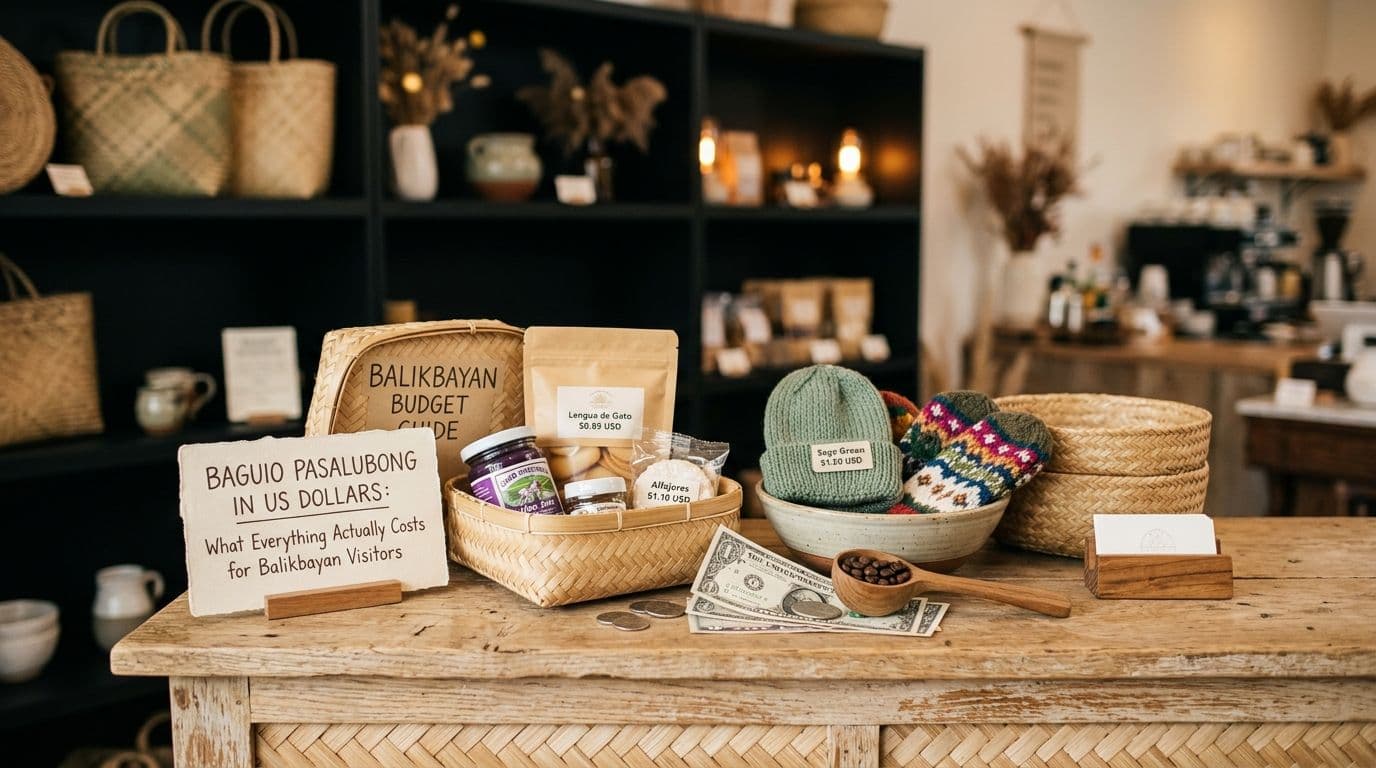
Baguio Pasalubong in US Dollars: What Everything Actually Costs for Balikbayans
A dollar-based price guide to Baguio pasalubong for balikbayans, with what's worth buying and what's just tourist markup.
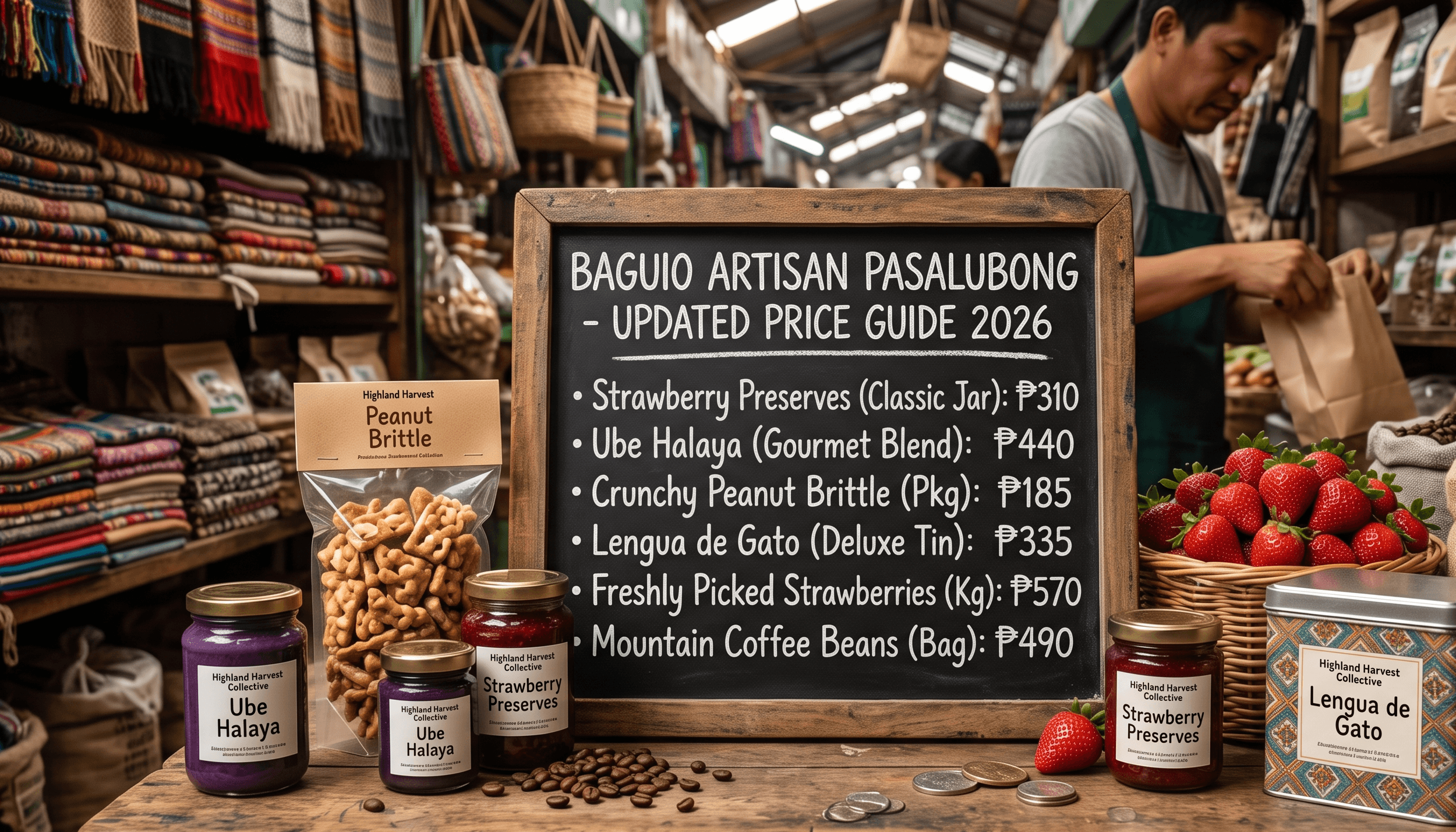
Baguio Pasalubong Price List 2026: What Everything Actually Costs
A real, checked Baguio pasalubong price list for 2026, with Good Shepherd prices and honest notes on what's actually worth buying.
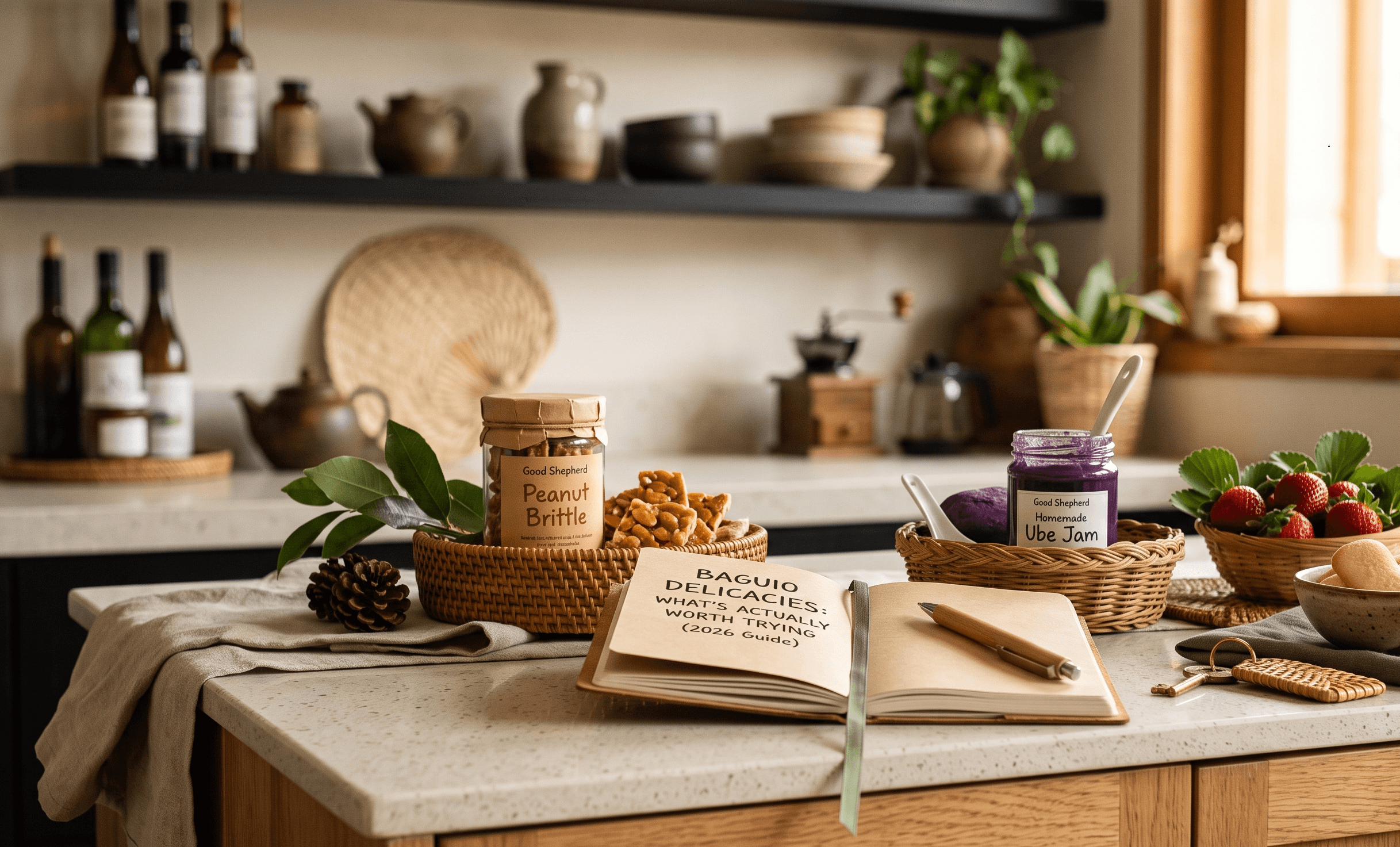
Baguio Delicacies: What's Actually Worth Trying (2026 Guide)
Not every Baguio delicacy deserves suitcase space. Here's a native's honest ranking of what's worth trying, what's worth buying, and what to skip.