Things to Do in the Philippines: Best Regions & Experiences

A native's honest ranking of the Philippines' best regions and experiences, from Palawan's beaches to Baguio's mountains, with clear verdicts on what's worth it.
People ask me this constantly once they find out I'm from the Philippines: where should I actually go. Not the Instagram version, not the airline magazine version. The real answer, from someone who has spent a lifetime going back and forth.
Here's the thing about things to do in the Philippines that most guides won't tell you upfront: this is not one destination. It's over 7,000 islands and at least a dozen regions that feel like entirely different countries. Beach culture in Palawan has almost nothing in common with mountain culture in the Cordillera. Trying to "do the Philippines" in one trip the way you might do Thailand or Vietnam is a mistake that burns a lot of vacation days on airports and ferry terminals.
So instead of another generic list, I'm going to rank the regions and experiences the way I'd tell a friend, with actual opinions about what's worth your limited time and what isn't. I grew up in Baguio, in the Cordillera mountains, and I've spent years living outside the country now, which gives me an odd vantage point. I know what impresses tourists. I also know what locals quietly roll their eyes at.
What Are the Best Things to Do in the Philippines?
If I had to boil down the entire country into categories, it comes down to four things: island beaches, diving and marine life, mountain and highland culture, and food. Everything else, the malls, the historical walking tours, the nightlife, is secondary to these four pillars. Tourists who build their trip around one or two of these do better than tourists who try to chase all four in ten days.
Here's my honest ranking of experiences, in order of what actually delivers versus what's overrated:
- Island hopping in Palawan or the Visayas. This is the real deal. Limestone cliffs, water so clear it looks fake in photos because it actually looks like that in person. Worth building a trip around.
- Mountain and highland travel in the Cordillera (Baguio, Sagada, Banaue). Cooler climate, rice terraces, a completely different pace of life. Underrated by first-time visitors who default to beaches.
- Food, specifically regional food, not resort buffet food. Skip the hotel breakfast spread and eat where the locals eat. This alone will teach you more about the Philippines than most tours.
- Historical Manila (Intramuros, Rizal Park). Worth a half day, not worth a full trip. I'll explain why below.
- Big city mall culture. Fine as a rainy-day filler. Not something to plan around, no matter what the tourism board says.
That ranking is going to annoy some people, especially anyone who's built a whole Manila-centric itinerary. But if you're asking what's genuinely worth your vacation days, beaches and mountains beat cities almost every time in this country. The cities are where Filipinos live and work. The regions are where the country actually shows off.
Which Regions of the Philippines Should You Visit?
This is really the top places to visit Philippines question in disguise, and it deserves a real answer instead of a list of fifteen places that overwhelms you. Let me go region by region and give you the verdict on each.
Palawan: Worth It, No Caveats
El Nido and Coron are the two names everyone throws around, and for once, the hype matches the reality. Limestone karsts rising out of turquoise water, lagoons you kayak into, islands with zero development. This is what people picture when they imagine the Philippines, and it's not exaggerated.
The catch: it's not cheap to get to, and peak season (December through April) means crowded boats and inflated prices. Go in shoulder season if you can, and book island-hopping tours a few days ahead rather than same-day.
Boracay: Worth It, With Caveats
Boracay gets criticized a lot by people who visited before the 2018 government-mandated closure and rehabilitation. I'll be honest, the old Boracay had real problems: sewage issues, overcrowding, a party-town chaos that had gotten out of hand. The rehabilitated version is cleaner and better managed, but it's also more commercial and more expensive than it used to be.
If you want a beach with infrastructure, restaurants, and nightlife within walking distance, Boracay still delivers. If you want something quieter and more raw, skip it in favor of Siargao or the smaller Visayan islands.
Siargao: Worth It for a Specific Traveler
Siargao has become the surfing and digital nomad darling of the Philippines over the last several years, and deservedly so. Cloud 9 is a legitimate world-class surf break. The island has a laid-back energy that Boracay lost a while ago.
But it's not for everyone. If you don't surf and don't care about the cafe-hopping, slow-travel scene, you'll find Siargao charming for about two days and then wonder what else there is to do. It rewards travelers who want to slow down, not travelers who want a packed itinerary.
Cebu and Bohol: Worth It as a Combo
Cebu City itself is skippable beyond a day of historical sites and lechon. But Cebu as a jumping-off point for whale shark encounters in Oslob (controversial among conservationists, so do your research before booking), canyoneering in Kawasan Falls, and the short ferry to Bohol for the Chocolate Hills and tarsiers makes for a genuinely well-rounded few days.
Manila: Skip Building a Trip Around It
Here's my honest negative, the one most travel blogs won't give you. Manila is not worth more than a day or two unless you have a specific reason to be there, like a family visit or a business trip. Traffic is brutal, often losing you two to three hours a day just moving between points. Intramuros is genuinely worth a half-day walking tour for the history. Rizal Park is fine. But I've watched too many first-time visitors, especially balikbayans bringing their American-born kids for the first time, burn three or four days in Manila out of a sense that they need to "start" there, when that time would be far better spent on a domestic flight to Palawan or up north to the Cordillera.
If you land in Manila, treat it as a transit point with maybe one overnight, not a destination.
Cordillera Region (Baguio, Sagada, Banaue): Worth It, Underrated
I'm biased here since this is home, but I'll make the case anyway. The Cordillera is the one part of the Philippines that doesn't fit the tropical beach postcard, and that's exactly its value. Pine trees, a climate cool enough for a jacket in the morning, terraced mountains carved by hand generations ago. More on this region below, since it deserves its own full section.
Top 3 Places to Visit in the Philippines: My Actual Answer
People love asking for the top 3 places to visit in Philippines, expecting a clean, easy list. Here's mine, and the reasoning behind the order:
Notice Manila isn't on that list. That's deliberate. If someone forces me to pick three places worth prioritizing on a first Philippine trip, none of them are the capital.
The order matters too. Palawan goes first because nothing else in the country matches that specific combination of scenery and accessibility for a first-timer, despite the cost. Cordillera goes second because it solves a problem beach-only itineraries create: heat fatigue and sameness. After four or five days of sun and sand, the cool mountain air and completely different culture in Baguio or Sagada feels like a reset, not a letdown. Siargao or the Bohol/Cebu combo rounds it out for travelers with more time or a specific interest like surfing or wildlife.
What Are the Top Experiences for First-Timers?
If this is your first trip, or your first trip back after years away, here's what actually delivers versus what's a waste of a day.
Do This
- Island hopping with a small banca boat tour. Palawan and the Visayas both do this well. Half-day and full-day options exist; the full-day is almost always worth the extra cost for the extra stops.
- A proper Filipino food crawl. Skip the hotel buffet. Eat at a carinderia, try isaw and other street food if you're adventurous, and find a real turo-turo spot. This teaches you more about the country than any museum.
- A highland or mountain stay. Whether that's Baguio, Sagada, or Banaue, spend at least two nights somewhere cool and elevated. It's a different Philippines than the one in the guidebooks.
- A local market visit. Not a tourist market, an actual wet market or trading post where locals buy produce. If you're in the Cordillera, the La Trinidad Trading Post is exactly this kind of place, and it's where I still go when I want fresh Benguet vegetables on a visit home.
Skip or Limit This
- Excessive mall time. Filipino malls are genuinely massive and comfortable, but they're not why you flew fifteen-plus hours. Cap it at one afternoon if you need air conditioning and a break.
- Overpacking your itinerary across too many regions. This is the single biggest mistake I see, especially with balikbayans who feel pressure to show relatives "everything" in two weeks. You'll spend more time in transit than actually experiencing places.
- Oslob whale shark tourism, without research. I'm not going to tell you to skip it outright, but go in informed. The feeding practices are controversial among marine biologists, and it's worth reading up before you book rather than just following the crowd.
What Is the Cordillera and Baguio Region Known For?
This is the region I know best because it's the region I grew up in, so let me actually make the case for it rather than just listing facts.
Baguio was built by the Americans in the early 1900s as a hill station, a place to escape the heat of Manila summers. That history is still visible in the pine trees, the colonial-era buildings around Session Road, and the whole layout of the city, which climbs up and down hills in a way that no other Philippine city does. Growing up here meant knowing a version of the city that existed before it showed up on every travel blog and every Manila weekend-getaway list. The fog rolling in every afternoon, the cold at 5AM that genuinely surprises people who assume the whole country is tropical heat, the strawberry farms just outside the city in La Trinidad. That's the Baguio I know.
What the region is actually known for:
- Cool climate. Baguio sits at about 1,500 meters elevation, and temperatures regularly dip into the mid-teens Celsius, sometimes lower, especially December through February. This alone makes it a completely different experience from the rest of the country.
- Strawberry farms and Benguet produce. La Trinidad, right next to Baguio, is the strawberry capital of the Philippines. Fresh vegetables from Benguet also supply a huge portion of the country's produce.
- Rice terraces further north. Banaue and Sagada extend the Cordillera experience into UNESCO-recognized terracing and hanging coffins, if you have extra days.
- A different pace. Slower, quieter, more introspective than the beach-party energy of the islands.
If you're planning a Baguio trip specifically, I've written a full breakdown of the city's best spots in my Top 5 Things to Do in Baguio City 2026 Guide, which covers the actual sites worth your time rather than the generic tourist-trap list.
One thing people who didn't grow up here often miss: the food scene has changed a lot. When I was growing up, Baguio delicacies meant a narrow set of things, mostly strawberry-based sweets and the usual pasalubong staples. Now there's a much wider range worth trying, and also a lot of overpriced tourist versions of the same old items. I put together an honest guide on what's actually worth trying in Baguio if you want to skip the disappointing stuff.
And if you're a balikbayan planning to bring home pasalubong for family in the States, the pricing can be confusing when you're mentally converting pesos while jet-lagged. I wrote up a breakdown of Baguio pasalubong costs converted to US dollars, plus a more detailed 2026 pasalubong price list if you want to budget before you go.
Beaches or Mountains: How to Actually Decide
I get asked this constantly, so let me give a real answer instead of a non-answer.
My honest take: if this is your first trip to the Philippines ever, lead with beaches, because that experience genuinely doesn't exist most other places on earth. But if you've already done a beach trip, or you're bringing older relatives who don't want to deal with boat transfers and heat, or you simply want variety, the Cordillera earns its place on the itinerary. Don't treat it as a consolation prize. It's a legitimately different, legitimately worthwhile part of the country.
How Many Regions Should You Cover in One Trip?
Two, maybe three if your trip is two weeks or longer. I say this as someone who has watched a lot of well-meaning balikbayan families try to cram Manila, Palawan, Cebu, and Baguio into a ten-day trip and come home more exhausted than when they left.
Domestic flights in the Philippines are not always reliable on schedule, inter-island ferries add hours you don't account for, and road travel to places like Baguio or Sagada, while beautiful, takes longer than Google Maps suggests once you factor in traffic leaving Manila. A trip that tries to cover four regions in ten days usually means two of those regions get a rushed 24 hours, which isn't enough time to actually experience anywhere.
My rule of thumb: one region per 4-5 days of actual trip time, not counting your international arrival and departure days. A two-week trip comfortably supports two regions, maybe a light third if they're geographically close (like pairing Cebu and Bohol, which are a short ferry apphrase apart).
If you want a deeper dive into timing your whole trip around weather and crowd patterns across regions, I put together a full month-by-month guide to the best time to visit the Philippines that breaks down what each region looks like season by season.
Building Your Philippines Bucket List
If you're working off a genuine Philippines bucket list rather than just a single trip, here's how I'd sequence it across multiple visits rather than trying to force it all into one:
- Trip one: Palawan (El Nido/Coron) plus a short Manila layover. This gives you the classic Philippines experience without overextending.
- Trip two: Cordillera region (Baguio, La Trinidad, Sagada) for a completely different pace, cooler weather, and a chance to slow down. This is also the trip where staying somewhere with an actual mountain view matters, since so much of the appeal is the scenery and the quiet. A stay in La Trinidad Valley, walking distance to the strawberry farms, gives you that without being stuck in Baguio's more congested city center. That's honestly part of why I built JMG Nest where I did.
- Trip three: Visayas combo (Cebu, Bohol, Siargao) for diving, waterfalls, and surf culture.
- Trip four: Northern Luzon deep dive (Banaue, Batanes if you're ambitious) for the more remote, less-touristed side of the country.
This sequencing avoids the trap of trying to see the entire Philippines in one exhausting trip and instead treats it the way it deserves: as a country with real regional depth, worth returning to.
Frequently Asked Questions
What's the best region for beaches versus mountains?
For beaches, Palawan is the clear answer if scenery and swimming quality matter most; Siargao if you specifically want surf culture; Boracay if you want infrastructure and nightlife within walking distance. For mountains, the Cordillera region, specifically Baguio and the smaller towns of Sagada and Banaue further north, is the answer. There isn't a real competing mountain region in the country at the same level of accessibility and tourist infrastructure.
How many regions should I cover in one trip?
Two is the sweet spot for most trip lengths, with three being the max even on a two-week trip. Domestic travel between regions eats more time than people expect, whether that's flights, ferries, or long drives. Pick two regions that offer genuinely different experiences, like a beach region paired with the Cordillera, rather than trying to check every island off a list in one go.
Is Manila worth staying in for multiple days?
Generally no, unless you have a specific personal or business reason. One to two days covers the historical sites worth seeing. The traffic and lack of standout attractions beyond Intramuros and a few museums make it a weak use of vacation time compared to flying or driving out to a region.
Should I book everything before I arrive, or figure it out as I go?
Book your inter-island flights and any peak-season accommodations in advance, especially for Palawan and Boracay during December through April. For regions like the Cordillera, you have more flexibility since it's road-accessible and less prone to the kind of booking crunch you see with limited flight seats to smaller islands.
If you're ready to build out the Cordillera leg of your trip, you can check availability directly through the JMG Nest booking page.
You Might Also Like
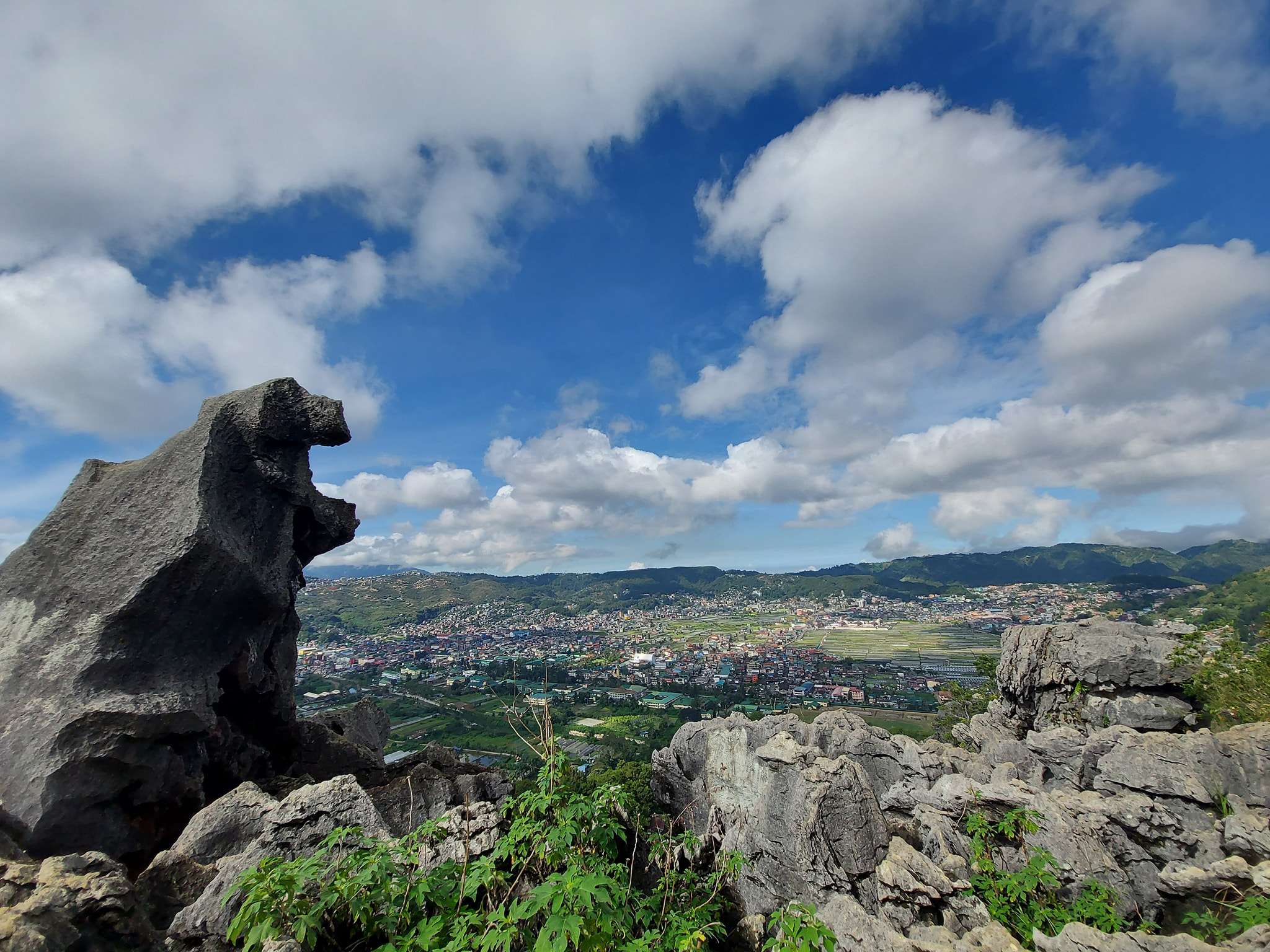
Mt. Kalugong La Trinidad: Hiking Guide, Views and Kape-an Cafe
Mt. Kalugong offers stunning limestone formations and panoramic La Trinidad valley views. Easy 45-minute hike with Kape-an Cafe at the summit for perfect sunset watching.
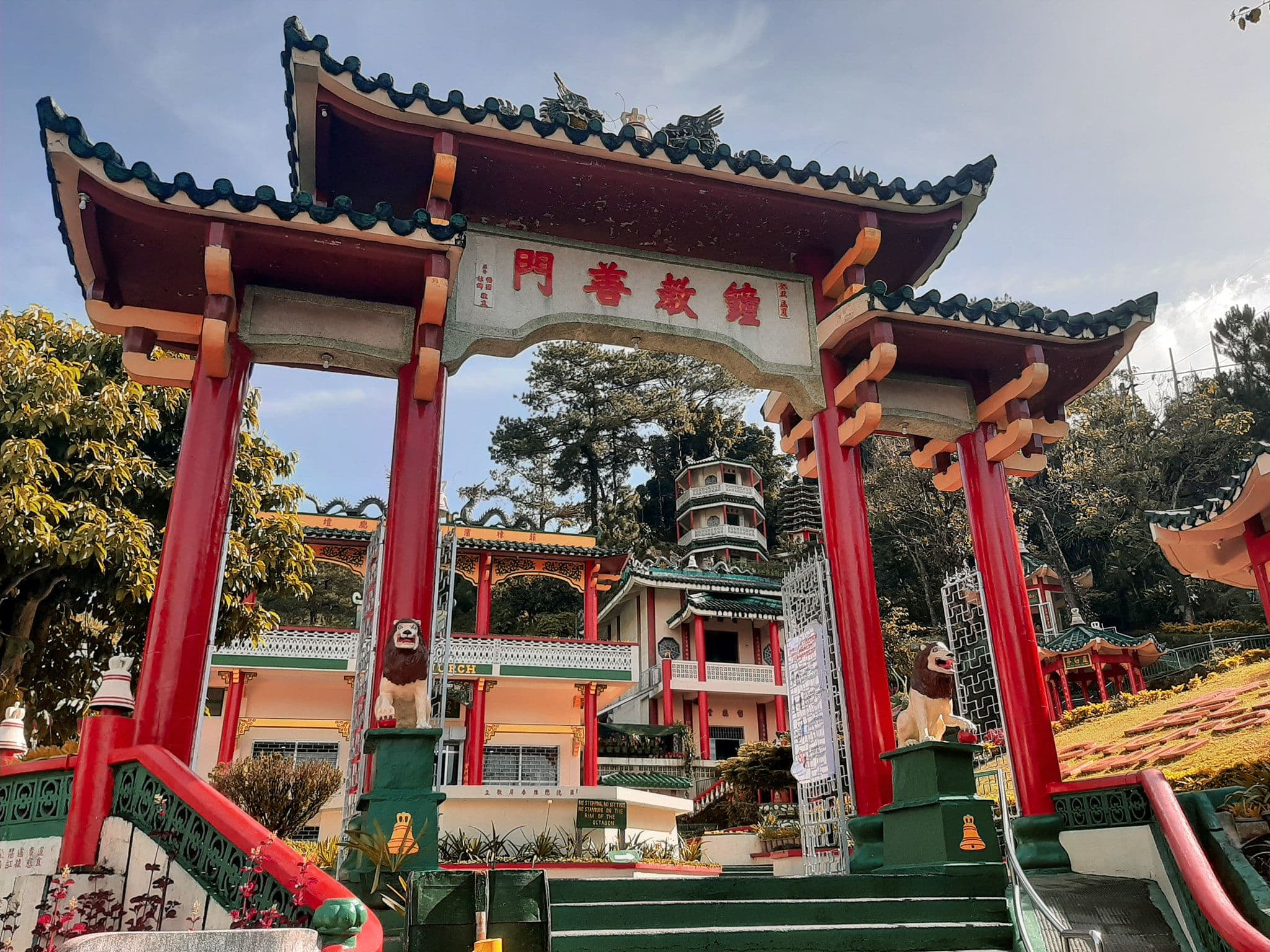
Bell Church La Trinidad: The Chinese Buddhist Temple at the Edge of Baguio
Discover Bell Church La Trinidad, a beautiful Chinese Buddhist temple that feels like stepping into another world. Complete visitor guide with practical tips.
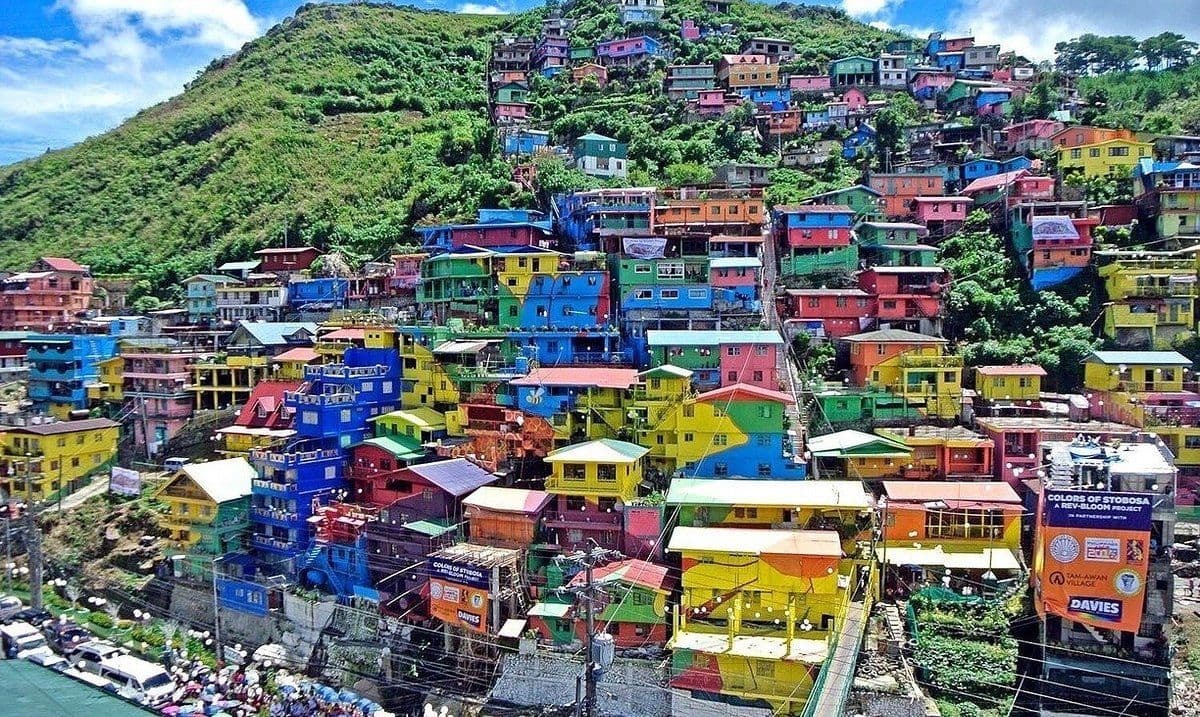
StoBoSa Colorful Houses La Trinidad: Complete Visitor Guide (Valley of Colors)
Discover the vibrant StoBoSa colorful houses in La Trinidad, where a community art project transformed a hillside into the Valley of Colors with rainbow-painted homes.