Baguio Food Pasalubong Deep Dive: Longganisa, Peanut Brittle, Sundot Kulangot and More
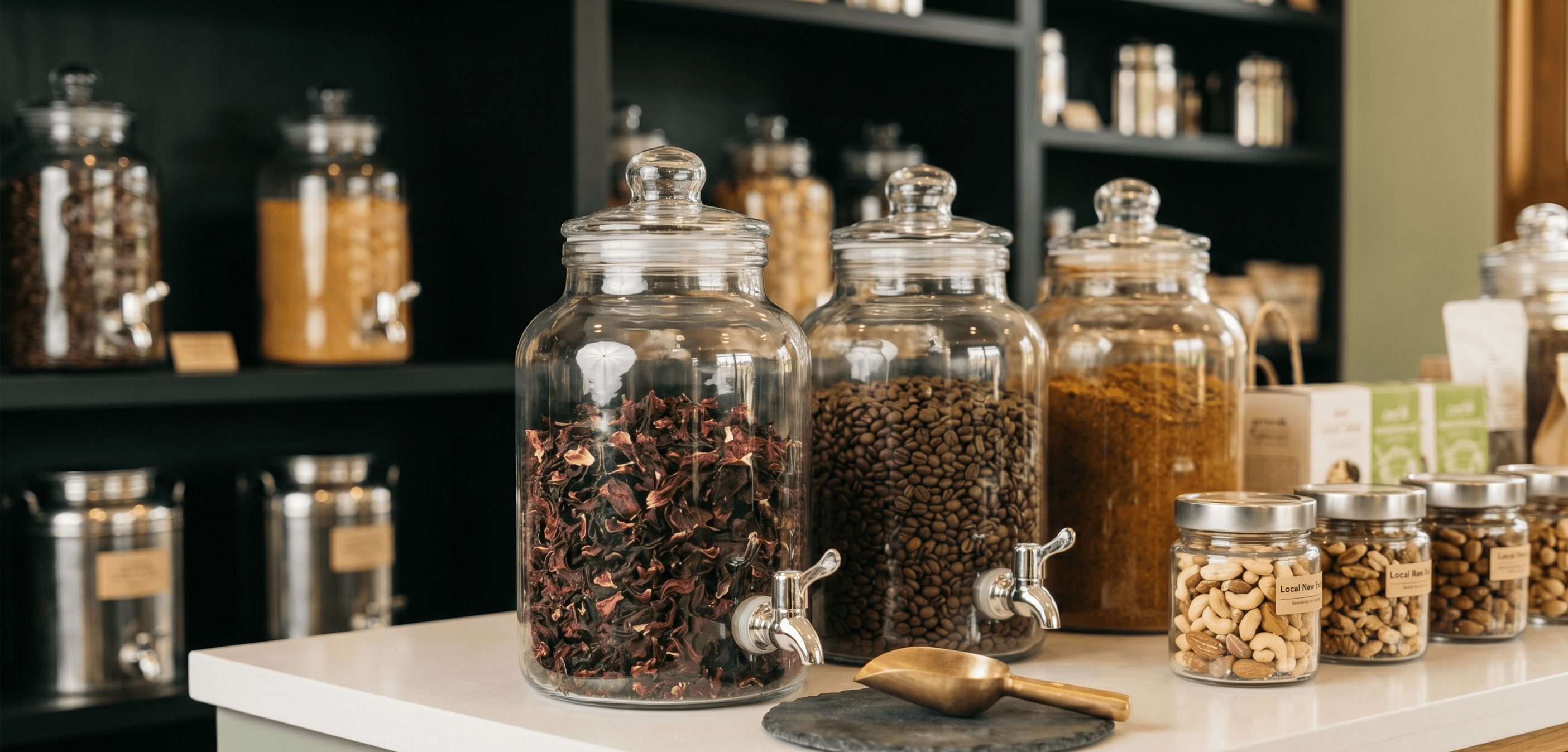
Your complete guide to Baguio's most beloved edible pasalubong, from longganisa and peanut brittle to sundot kulangot and ube jam. Includes where to buy the best versions and insider tips.
There's something magical about bringing home a taste of Baguio. The moment you open that pasalubong bag and smell the garlic from the longganisa or feel the crunch of peanut brittle between your teeth, you're transported back to those cool mountain mornings. After years of living away from home and countless trips back to the mountains, I've learned that Baguio food pasalubong isn't just about souvenirs — it's about carrying a piece of the place with you.
That's exactly why I built JMG Nest in La Trinidad Valley. There's nothing quite like waking up to mountain views, then heading out to explore the local markets and specialty shops for the best delicacies the region has to offer. Whether you're staying with us or anywhere else in the area, this guide will help you navigate Baguio's most beloved edible treasures.
From the iconic longganisa that defines breakfast here to the quirky sundot kulangot that always gets a laugh, let's dive deep into what makes these local delicacies so special and where to find the best versions.
Baguio Longganisa: The King of Local Sausages
Nothing says Baguio breakfast quite like longganisa. Growing up here, the smell of garlic and soy sauce sizzling in the pan was our weekend alarm clock. Baguio longganisa comes in two main varieties, and understanding the difference is crucial for getting what you actually want to take home.
Garlic Longganisa vs De Recado: Know Your Flavors
Garlic longganisa is the crowd favorite. It's packed with minced garlic, has a slightly sweet undertone, and turns a beautiful golden brown when cooked. This is what most people think of as "Baguio longganisa" — the version that pairs perfectly with sinangag and a fried egg.
De recado longganisa takes a different approach. It's darker, more savory, and relies on a blend of spices rather than just garlic. The flavor is more complex but less immediately recognizable to first-time visitors. If you're buying for family members who haven't tried Baguio longganisa before, stick with garlic.
Where to Buy the Best Longganisa
Session Road has plenty of longganisa vendors, but the real gems are in the public market and smaller specialty shops. Look for vendors who make their own rather than reselling mass-produced versions. The sausages should feel firm but not hard, and you should be able to see actual garlic pieces in the mixture.
Most vendors will vacuum-seal your longganisa for travel. If you're flying, pack them in your checked luggage with some ice packs. They'll stay good for 2-3 days even without refrigeration, but don't push it longer than that.
Baguio Peanut Brittle: Crunchy Perfection
Baguio peanut brittle occupies a special place in the pasalubong hierarchy. It's one of those items that somehow tastes different when you buy it here versus anywhere else — maybe it's the mountain air, maybe it's the local peanuts, or maybe it's just the nostalgia.
Brand Showdown: Romana vs Baguio Paradise vs MBD
Romana Peanut Brittle is the grandfather of them all. Their classic rectangular bars have been around forever, and the quality stays consistent. The brittle breaks cleanly, the peanuts are well-distributed, and it's sweet without being overwhelming. Expect to pay a premium, but it's worth it for special occasions.
Baguio Paradise offers the best value proposition. Their peanut brittle is nearly as good as Romana but costs about 20-30% less. The pieces might be slightly thicker, but the taste is excellent. This is what I usually recommend for bulk buying.
MBD is the budget option that doesn't sacrifice much quality. The brittle is a bit softer and the peanut-to-brittle ratio slightly lower, but it's still authentically Baguio. Perfect for office pasalubong or when you need to buy for a large group.
Shopping Strategy for Peanut Brittle
Buy peanut brittle from the source shops rather than hotel gift stores or tourist areas. The markup can be 50% or more. Most brands have their own shops along Session Road or in the public market area. Check the production date — fresh peanut brittle should snap cleanly and have a glossy appearance.
Sundot Kulangot: The Hilariously Named Sweet
Let's address the elephant in the room first — yes, "kulangot" means booger in Filipino, and yes, someone thought it was a good idea to name a candy after it. The name comes from how you eat it: you use a small stick (usually a toothpick) to "sundot" or poke at the sticky sweet mixture. The texture and the poking motion apparently reminded someone of... well, you get the idea.
What Sundot Kulangot Actually Is
Despite the unfortunate name, sundot kulangot is actually quite delicious. It's a sticky sweet made from coconut strips, sugar, and various flavorings. The most common varieties are pandan (green), ube (purple), and plain coconut (white). The texture is chewy and somewhat elastic — think of it as a Filipino version of taffy.
The key to good sundot kulangot is the balance between sweet and coconutty. It should stick to your teeth just enough to be satisfying but not so much that you need dental tools to extract it.
Where to Find Authentic Sundot Kulangot
You'll find sundot kulangot in most souvenir shops, but quality varies wildly. The best versions come from small-scale producers who sell at the public market or from specialty shops that make their own. Avoid anything that looks too bright or artificial — natural pandan should be a muted green, not neon.
Most shops sell it in small plastic containers. Make sure the lid is tightly sealed, as sundot kulangot can dry out and become unpleasantly hard if exposed to air for too long.
Ube Jam: Purple Gold
Baguio's ube jam represents one of the region's most successful culinary exports. What started as a local convent specialty has become a nationwide phenomenon, though the Baguio versions remain the gold standard.
Good Shepherd vs Tamtangco: The Great Ube Debate
Good Shepherd Convent produces what many consider the premium ube jam. Their version has a deeper purple color, more pronounced ube flavor, and a smoother texture. It's also more expensive and sometimes harder to find, especially during peak tourist seasons.
Tamtangco ube jam offers excellent quality at a more accessible price point. The flavor is slightly milder, which some people actually prefer, and it's more widely available. The texture is equally smooth, and it spreads beautifully on bread or pan de sal.
Both versions travel well and have decent shelf life even without refrigeration, though they'll last longer if you can keep them cool.
Choco Flakes and Other Sweet Treats
Mika'San choco flakes deserve their reputation as the go-to affordable pasalubong. These crispy corn flakes covered in chocolate coating are addictive in the best way possible. They're lightweight, pack well, and cost a fraction of what similar treats would cost in Manila.
The secret to Mika'San's success is the chocolate-to-flake ratio. There's enough chocolate to make each bite satisfying but not so much that the flakes lose their crunch. They come in various sizes, from small snack packs perfect for airplane treats to large family-sized bags.
Strawberry Products: Fresh vs Preserved
Baguio's strawberry reputation is well-deserved, but be strategic about strawberry pasalubong. Fresh strawberries are incredible if you're heading straight home the same day. They're sweet, juicy, and taste like what strawberries should taste like before commercial agriculture got involved.
Strawberry jam and preserves are the practical choice for longer trips. Local brands like those found in La Trinidad can be excellent, though quality varies. Look for jams with visible fruit pieces rather than smooth, overly sweet versions.
The Underrated Benguet Coffee
Here's what most visitors miss: Benguet produces some of the Philippines' best coffee. The high altitude and cool climate create ideal growing conditions, but somehow Benguet coffee never gets the recognition it deserves.
You'll find the best beans at the public market, sold by vendors who often source directly from local farms. The coffee tends to be medium-bodied with bright acidity and subtle fruity notes. It's not as famous as Batangas barako or Sulu coffee, which makes it an excellent under-the-radar pasalubong for coffee lovers.
Buy whole beans if possible and ask when they were roasted. Many vendors roast in small batches, so you might get beans that were roasted within the week. Pack them in airtight containers to preserve the oils and flavor compounds.
Practical Packing Tips for Food Pasalubong
Longganisa needs to stay cool, so invest in a good cooler bag or ask vendors to pack it with ice. Peanut brittle is surprisingly fragile — wrap it in bubble wrap or pack it between clothes to prevent crushing.
Ube jam and other preserves can handle room temperature for short periods but benefit from cool storage. Sundot kulangot and choco flakes are practically indestructible and travel well in any luggage.
If you're flying, remember that liquid-consistency items like ube jam count toward your liquid restrictions in carry-on luggage. Pack them in checked bags to avoid airport hassles.
Making Your Baguio Food Adventure Complete
The best part about collecting Baguio food pasalubong is that it gives you an excuse to explore beyond the usual tourist stops. You'll find yourself in local markets, talking to vendors, and discovering small shops that don't make it into guidebooks.
Whether you're planning your first visit or coming back for the hundredth time, allow extra time for pasalubong hunting. Check out our complete Baguio city travel guide for more insights on exploring the area, or browse our 3-day itinerary for suggestions on fitting pasalubong shopping into your overall trip.
Ready to plan your Baguio food adventure? Consider staying at a place where you can easily access both the mountains and the markets. Book your stay with us in La Trinidad Valley — you'll be perfectly positioned to explore local farms, markets, and specialty shops while enjoying the authentic mountain experience that makes these delicacies taste even better.
Frequently Asked Questions About Baguio Food Pasalubong
What is the most popular Baguio food pasalubong? Baguio longganisa and peanut brittle are the most popular choices. Longganisa offers that authentic local flavor experience, while peanut brittle travels well and appeals to almost everyone.
How long do Baguio food pasalubong items last? Longganisa should be consumed within 2-3 days at room temperature or can be frozen for several months. Peanut brittle and choco flakes stay fresh for weeks in sealed containers. Ube jam lasts several months even without refrigeration.
Where can I buy the cheapest authentic Baguio food pasalubong? The public market and direct-from-producer shops offer the best prices. Avoid hotel gift shops and major tourist areas where markups can be 50% or higher.
Can I bring Baguio food pasalubong on international flights? Most items are fine for international travel, but check your destination country's food import restrictions. Vacuum-sealed longganisa usually passes customs, while shelf-stable items like peanut brittle and ube jam rarely cause issues.
You Might Also Like
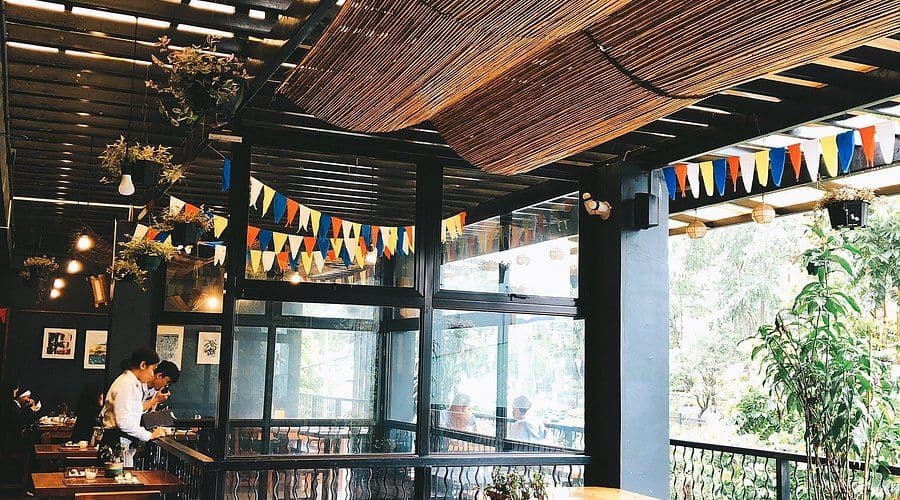
Best Cafes in Baguio City
Explore Baguio's thriving cafe culture through a local's eyes. From historic coffee houses to trendy third-wave spots, discover where to find the perfect cup in the mountains.
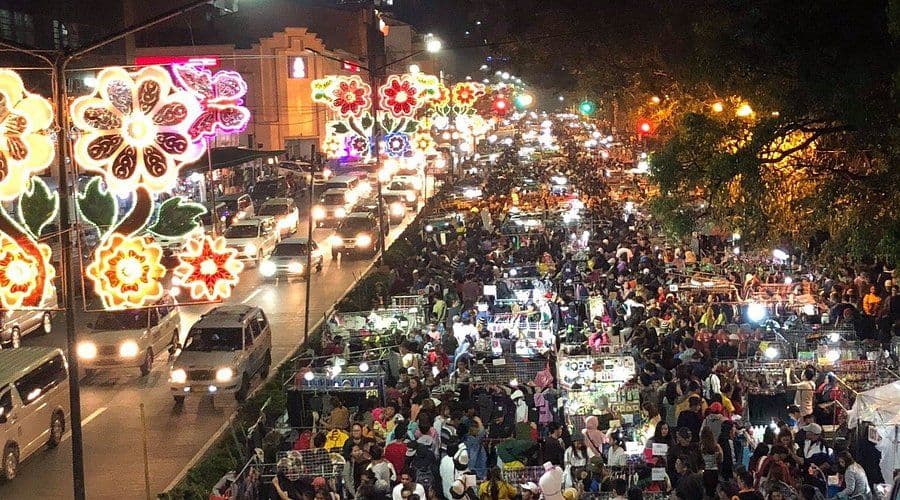
Baguio Night Market Guide
Navigate Baguio's vibrant night market like a local with our complete guide to the best food, shopping, and experiences after dark.

SM City Baguio: Complete Shopping and Dining Guide (2026)
Your complete guide to SM City Baguio - Northern Luzon's largest mall. Get store listings, restaurant recommendations, Sky Ranch info, and insider shopping tips.