Baguio Night Market Guide
Navigate Baguio's vibrant night market like a local with our complete guide to the best food, shopping, and experiences after dark.
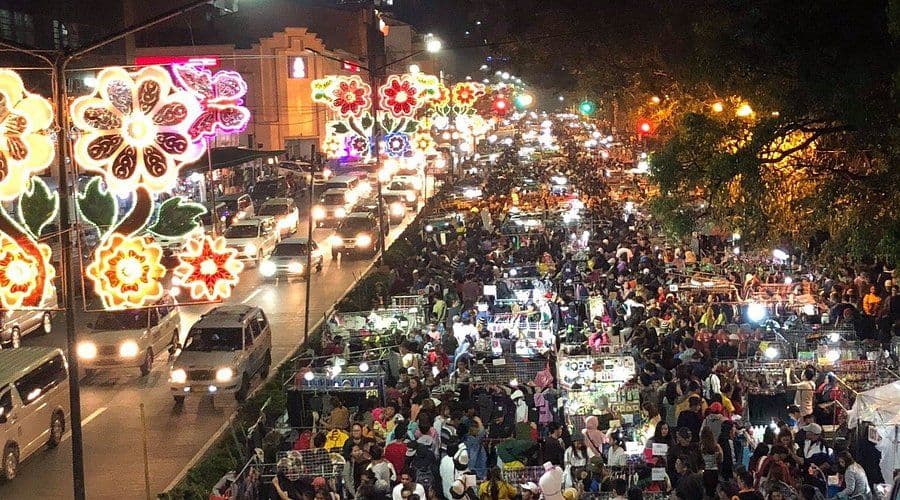
The Baguio night market transforms the city center into a bustling maze of food stalls, bargain finds, and that distinctly Filipino energy that only happens when the sun goes down. While tourists often stick to the daytime attractions, locals know that some of the city's best experiences happen after 6 PM, when vendors roll out their carts and Session Road comes alive with a different kind of energy.
Having grown up here before moving to the US, I've watched the night market evolve from a handful of street vendors to the sprawling food and shopping destination it is today. After settling into JMG Nest in nearby La Trinidad Valley, the night market is still one of my favorite evening activities when I'm back in town—just 15 minutes away from our mountain retreat but a world away in atmosphere.
This guide covers everything you need to know about navigating the Baguio night market, from must-try street food to bargaining tips that actually work.
Where to Find the Baguio Night Market
The main Baguio night market sprawls across several interconnected areas in the city center, with the highest concentration of vendors along Session Road Extension, Harrison Road, and the side streets connecting them. The market doesn't have a single "entrance"—it's more of a organic network of stalls that appears as the afternoon fades.
The heart of the action happens around the Maharlika Livelihood Center area, where permanent stalls mix with temporary vendors who set up on the sidewalks and any available space. From there, the market extends in all directions, with food stalls clustering near the main thoroughfares and clothing vendors filling the side streets.
Don't expect neat rows or organized sections. The Baguio night market is beautifully chaotic, with vendors setting up wherever they can find space. Part of the adventure is wandering through narrow passages between stalls, discovering hidden food gems in unlikely corners.
Peak Hours and Best Times to Visit
The market starts coming alive around 6 PM, but the real energy doesn't peak until 8-10 PM. This is when you'll find the widest selection of food, the liveliest atmosphere, and the best people-watching. Most vendors stay open until around midnight, though food stalls often close earlier once they sell out.
Weekends are significantly more crowded, especially Saturday nights when both locals and tourists converge on the area. If you prefer a more relaxed experience, visit on weeknight evenings when you can actually move between stalls without fighting crowds.
Must-Try Food at Baguio Night Market
The food scene at the Baguio night market is a mix of Cordillera specialties, Filipino street food classics, and fusion dishes that have evolved specifically for the tourist crowd. Here's what you shouldn't miss:
Pinikpikan and Local Cordillera Dishes
Several stalls serve traditional Cordillera cuisine that you won't find in Manila night markets. Pinikpikan, the indigenous chicken soup, is available at a few specialized stalls—though the preparation here is adapted for faster service compared to traditional methods. You'll also find etag (smoked pork) dishes and various preparations using native vegetables like sayote tops and camote leaves.
Look for the stalls with handwritten signs in local dialects—these usually indicate more authentic preparations, even if the vendors also speak English.
Strawberry Everything
Baguio's strawberry reputation extends to creative night market treats. Beyond the obvious fresh strawberries and strawberry taho, vendors offer strawberry ice cream, strawberry-flavored suman, and even strawberry pizza from some of the more experimental food carts. The quality varies wildly, but the novelty is part of the experience.
Comfort Food Classics
The night market excels at Filipino comfort food perfect for Baguio's cool evenings. Fishball and kwek-kwek carts are everywhere, serving these fried snacks with various dipping sauces. Mais con yelo (corn with milk and sugar) is particularly popular here, and several stalls have perfected their own versions of this simple treat.
For something more substantial, look for the lugaw (rice porridge) vendors. Their rich, warming bowls hit differently when you're walking through Baguio's chilly night air.
International Fusion
The tourist influence has spawned interesting fusion dishes. You'll find Korean-Filipino fusion at several stalls, Italian-inspired pasta dishes adapted for street food service, and creative takes on burgers and sandwiches using local ingredients.
The quality can be hit-or-miss with these fusion options, but some vendors have genuinely perfected their recipes over years of night market service.
Shopping at the Baguio Night Market
While food gets most of the attention, the shopping at Baguio night market offers some genuine finds, especially if you know what to look for and how to navigate the overwhelming variety of stalls.
Clothing and Accessories
The night market is famous for "ukay-ukay" (secondhand) clothing, with stalls selling everything from vintage band t-shirts to designer knockoffs. The key is patience—you need to dig through piles to find the gems. Some of the best finds are authentic vintage pieces that somehow made their way to Baguio.
New clothing is also abundant, particularly items marketed as "Baguio jackets" and sweaters. While many are mass-produced, some vendors sell locally-made knitwear that's genuinely well-crafted and perfect for the mountain climate.
Souvenirs and Local Crafts
Beyond the typical tourist souvenirs, look for authentic Cordillera crafts mixed in with the mass-produced items. Hand-woven textiles, wooden carvings, and traditional jewelry can be found if you're willing to search. The challenge is distinguishing genuine local crafts from imported items designed to look authentic.
Haggling is expected, but be respectful. Many vendors are making small margins and feeding families with these sales.
Books and Media
Several stalls specialize in secondhand books, magazines, and DVDs. It's a great place to find Filipino literature, regional history books, and sometimes rare publications about Cordillera culture. The selection changes constantly as vendors acquire new inventory.
Practical Tips for Navigating the Night Market
The Baguio night market can be overwhelming for first-time visitors. These practical tips will help you make the most of your visit while avoiding common frustrations.
Bring Small Bills
Most transactions are small, and vendors often struggle to make change for large bills. Bring plenty of 20, 50, and 100 peso notes. Some stalls now accept digital payments, but cash is still king at the night market.
Dress Appropriately
Baguio nights can be surprisingly cold, even when the days are warm. Bring layers, and wear comfortable shoes with good grip—the ground can be uneven and sometimes slippery from spilled drinks or recent rain.
Keep Your Belongings Secure
The crowded conditions make pickpocketing a concern, though violent crime is rare. Use a small crossbody bag or money belt, and avoid displaying expensive electronics or jewelry. Keep your main cash supply separate from your spending money.
Try Before You Buy (Food)
Don't be shy about asking for samples, especially at fruit stalls or when trying unfamiliar dishes. Most vendors are happy to let you taste before purchasing, particularly if you're genuinely curious about local specialties.
Beyond the Main Night Market
While the Session Road area gets most attention, smaller night market clusters operate in other parts of Baguio. The Burnham Park area has evening food vendors, particularly on weekends, and the area near Baguio Cathedral sees nighttime activity as well.
For a different perspective, consider exploring these smaller concentrations of vendors. They often cater more to locals than tourists, which can mean both more authentic experiences and lower prices.
Connecting to Your Baguio Experience
The night market works well as part of a broader Baguio itinerary. It's an easy evening activity after spending the day at attractions like Burnham Park or shopping at SM City Baguio. Many visitors incorporate it into their three-day Baguio plans as a way to experience local culture after the tourist sites close.
The night market also offers a great contrast to daytime activities. After hiking or sightseeing, there's something satisfying about joining the locals for an evening of casual eating and shopping. For visitors staying in different areas of Baguio, the night market is easily accessible by taxi or jeepney from most hotels and accommodations.
What's Changed and What Hasn't
The Baguio night market has evolved significantly over the past decade. Social media has brought more tourists, leading to more fusion food options and tourist-oriented vendors. Some of the old-school vendors have been displaced, and prices have increased accordingly.
However, the essential character remains. It's still a place where families come for affordable meals, where teenagers hang out on weekend nights, and where you can find unexpected treasures if you're patient enough to look.
The COVID-19 pandemic temporarily changed operations, with reduced hours and capacity restrictions, but the market has largely returned to its pre-pandemic energy, though some long-time vendors never reopened.
Whether you're staying in the city center or at a mountain retreat like ours in La Trinidad Valley, the Baguio night market offers an authentic slice of local life that complements the city's daytime attractions. It's messy, crowded, and sometimes frustrating—but it's also uniquely Baguio in a way that the sanitized tourist attractions can't match.
If you're planning a Baguio trip that includes both mountain relaxation and city experiences, consider staying at JMG Nest in La Trinidad Valley. You'll have easy access to the night market for evening adventures, plus the tranquility of our mountain location to retreat to when you need a break from the urban energy.
Frequently Asked Questions
What time does the Baguio night market open and close?The market typically starts setting up around 6 PM and peaks between 8-10 PM. Most vendors stay open until around midnight, though food stalls may close earlier if they sell out of items.
Is the Baguio night market safe for tourists?Yes, the night market is generally safe, with plenty of people around and good lighting in most areas. Standard precautions like securing your belongings and staying aware of your surroundings are recommended.
How much money should I bring to the Baguio night market?Budget around 500-1000 pesos per person for food and small purchases. Bring small bills as vendors often have trouble making change for large denominations.
Can I find vegetarian options at the Baguio night market?Yes, though options are more limited than in dedicated vegetarian restaurants. Look for fresh fruit vendors, mais con yelo, some lugaw preparations, and vegetable-based local dishes. Always confirm ingredients as some seemingly vegetarian dishes may contain meat-based seasonings.
You Might Also Like
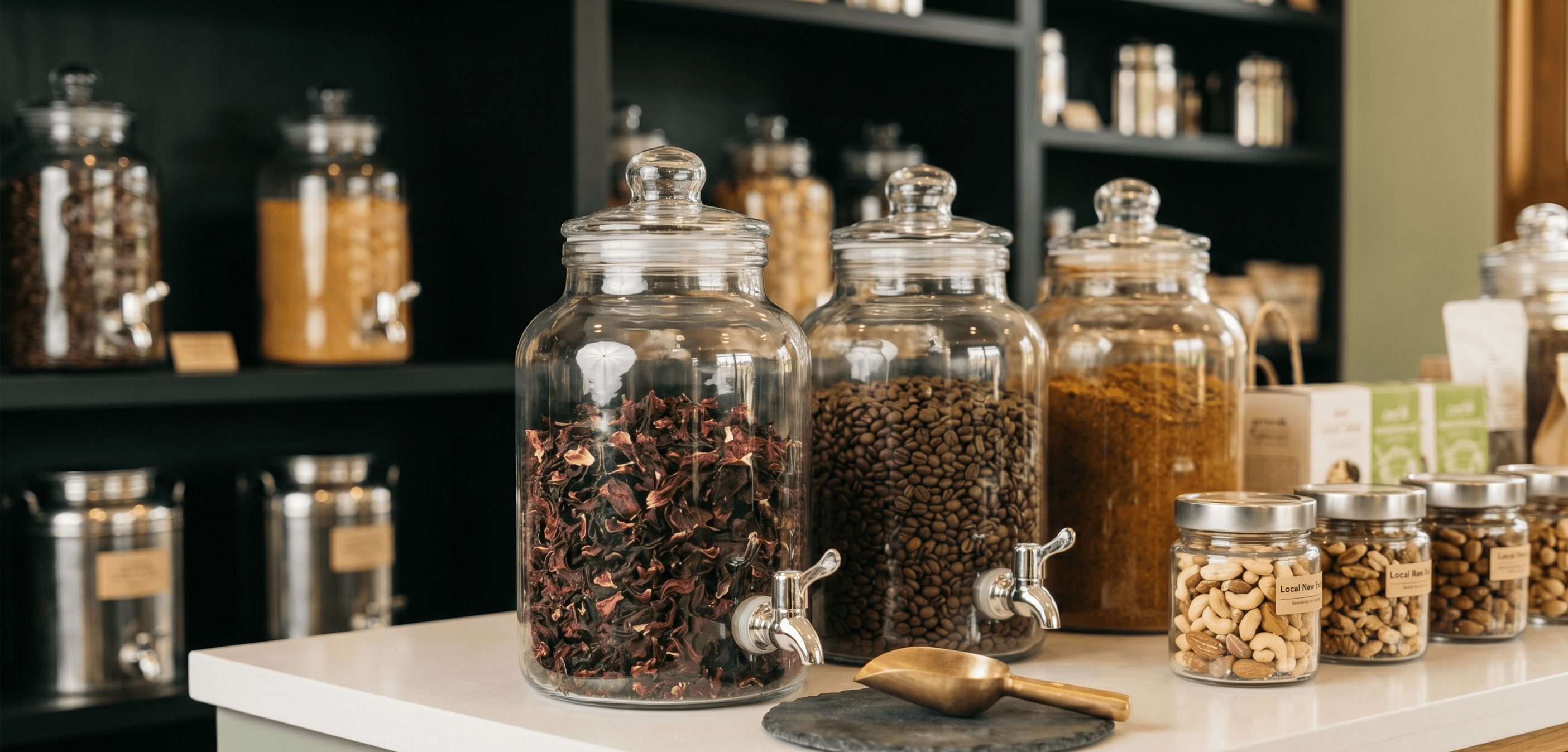
Baguio Food Pasalubong Deep Dive: Longganisa, Peanut Brittle, Sundot Kulangot and More
Your complete guide to Baguio's most beloved edible pasalubong, from longganisa and peanut brittle to sundot kulangot and ube jam. Includes where to buy the best versions and insider tips.
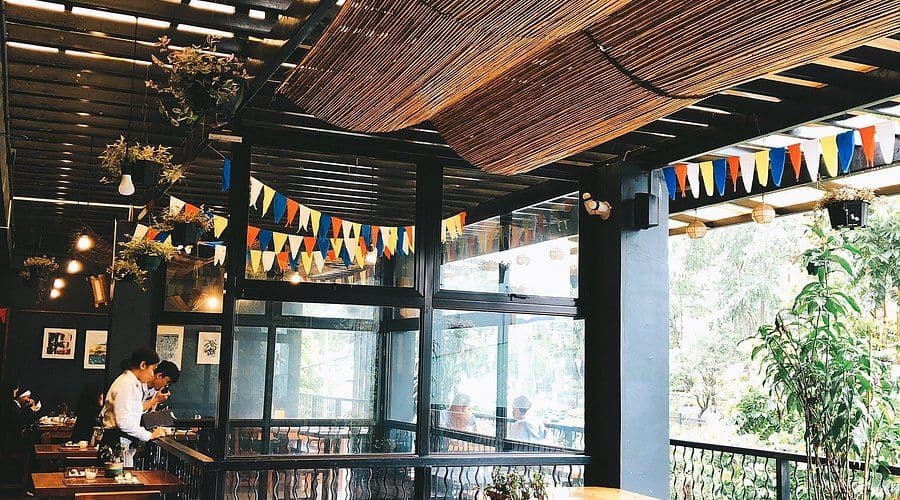
Best Cafes in Baguio City
Explore Baguio's thriving cafe culture through a local's eyes. From historic coffee houses to trendy third-wave spots, discover where to find the perfect cup in the mountains.
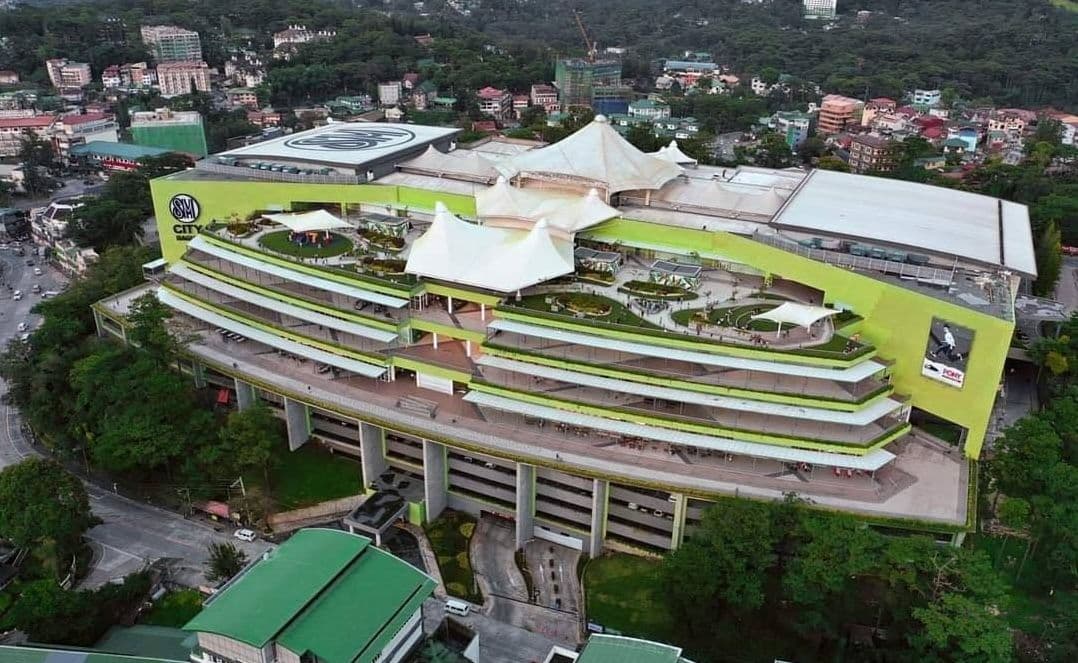
SM City Baguio: Complete Shopping and Dining Guide (2026)
Your complete guide to SM City Baguio - Northern Luzon's largest mall. Get store listings, restaurant recommendations, Sky Ranch info, and insider shopping tips.