La Trinidad Strawberry Picking Guide: Best Season, Farms & What It Actually Costs
Planning a Burnham Park visit? Get exact boat rental prices, best times to avoid crowds & insider tips.
When's the best time to pick strawberries in Baguio, and is it worth the price?
The answer: November through May is strawberry season, with peak picking in February-March when berries are biggest and sweetest. Yes, it costs more than buying pre-picked strawberries (₱500-₱700 per kilo versus ₱200-₱300 at markets), but the experience of harvesting your own berries in cool mountain air surrounded by endless green fields makes it a must-do Baguio activity.
Technically, the strawberry farms are in La Trinidad, the municipality adjacent to Baguio City. But here's the thing – when people say "Baguio strawberry picking," they mean La Trinidad. The two cities blend together seamlessly, and La Trinidad is just 20-30 minutes from downtown Baguio.
This isn't just about strawberries. You're experiencing what makes this region special – cool climate agriculture in the vegetable bowl of the Philippines, panoramic mountain views, and the genuine satisfaction of eating fruit you picked yourself minutes earlier.
In this guide, you'll learn when to visit for the best berries, what strawberry picking actually costs, what to wear, how to get there, and insider tips to make the most of your visit. We'll also show you what else to see in La Trinidad so you can make it a full morning adventure.
Why Strawberry Picking is a Must-Do Baguio Experience
It's uniquely Baguio (well, La Trinidad)
You can't pick strawberries in Manila. You can't do this in Boracay. This is a highland experience possible only in the Cordillera region where the climate supports strawberry cultivation. For many Filipinos, especially those from the lowlands, seeing strawberries growing in fields (not just in supermarket containers) is a first.
It's hands-on and family-friendly
Kids love it. Adults love it. Grandparents love it. There's something universally satisfying about searching through green leaves for that perfect red berry, plucking it, and tasting it immediately. It's simple, tactile, and doesn't require any special skills or fitness level.
The strawberries taste better
Sun-warmed, just-picked strawberries eaten in the field where they grew? They taste different from store-bought berries that have been refrigerated, transported, and sitting for days. Sweeter. More fragrant. This alone justifies the experience.
It's Instagram gold
Let's be honest – those photos of you in strawberry fields with mountains in the background will get more likes than another beach sunset shot. The vibrant red berries against green fields and blue sky create stunning compositions.
It connects you to local agriculture
La Trinidad is known as the "Salad Bowl of the Philippines." This region feeds much of Luzon with vegetables and flowers. Strawberry picking lets you see this agricultural heritage firsthand and support local farmers directly.
Understanding La Trinidad and Baguio
Before we dive into the strawberry picking details, let's clarify the geography:
La Trinidad is a separate municipality from Baguio City, but they're connected. Think of La Trinidad as Baguio's agricultural neighbor – where Baguio has parks and pine trees, La Trinidad has farms and vegetable terraces.
Distance from downtown Baguio: 20-30 minutes by car (about 10 kilometers)
Why this matters for you: When planning your Baguio itinerary, factor in the drive time. Most visitors do La Trinidad as a morning activity on Day 2 or 3, combining it with other nearby attractions like the Valley of Colors and Bell Church.
Where to stay: Accommodations in the La Trinidad/Baguio area give you the best access. You're close to strawberry farms but still within reach of downtown Baguio attractions.
Planning your Baguio trip? JMGNest is located just 5-10 minutes from La Trinidad strawberry farms and 15 minutes from downtown Baguio. Perfect location for exploring both areas. Check Availability
When to Go: Strawberry Season in Baguio
Peak Season (November - May)
This is when strawberries grow in La Trinidad. Outside these months, you won't find pick-your-own opportunities, though you can still buy strawberries at markets year-round (imported or greenhouse-grown).
Month-by-month breakdown:
November: Season just starting, strawberries smaller but available. Good time if you want to avoid crowds.
December: Growing season in full swing. Berries getting bigger. Christmas crowds increase visitors.
January: Excellent picking. Post-holiday period is slightly less crowded (except weekends).
February - March: PEAK SEASON ⭐
- Largest, sweetest strawberries
- Perfect weather (cool and dry)
- Panagbenga Festival brings massive crowds
- Fields are abundant with ripe berries
- This is THE time if you want the best experience
April: Still good picking but berries starting to decline in size. Warmer weather.
May: End of season, fewer strawberries available. By late May, many farms wind down picking operations.
Best Time of Day to Visit
7:00-9:00 AM: BEST ⭐
- Coolest temperature (important – you'll be in the sun)
- Most strawberries available (haven't been picked over yet)
- Fewer crowds on weekdays
- Morning dew makes berries look extra fresh
- Better lighting for photos (soft morning sun)
9:00-11:00 AM: GOOD
- Still comfortable temperature
- Decent strawberry availability
- Crowds building on weekends
- Still good for photos
11:00 AM-2:00 PM: AVOID
- Hottest part of day (still cooler than Manila, but uncomfortable in direct sun)
- Best strawberries already picked
- Peak crowds
- Harsh lighting for photos
2:00-5:00 PM: OKAY
- Temperature cooling down
- Fewer strawberries available
- Thinning crowds
- Some farms may close early if picked out
Pro tip: Aim for weekday mornings if possible. Weekend afternoons during Panagbenga Festival can mean waiting 30+ minutes just to enter the fields.
For detailed seasonal information about visiting Baguio, check our best time to visit Baguio guide which covers weather, crowds, and events throughout the year.
What Strawberry Picking Actually Costs
Entry and Picking Fees
Farm entrance: Usually FREE – You only pay for what you pick.
Strawberry prices: ₱500-₱700 per kilogram as of 2025
- Prices vary by season (higher during low season, lower at peak)
- Prices vary by farm (some farms charge more for organic)
- You must buy minimum amounts (usually at least 1/4 kilo or 250 grams = ₱125-₱175)
How much do you actually get?
- 1 kilogram = about 2-3 cups of strawberries
- A family of 4 typically picks 1-2 kilos (₱500-₱1,400)
- Kids will eat some while picking (factor this in!)
Is It Worth the Price?
Market comparison:
- Pre-picked strawberries at La Trinidad market: ₱200-₱300/kilo
- Supermarket strawberries in Manila: ₱300-₱400/kilo
- Pick-your-own: ₱500-₱700/kilo
You're paying ₱200-₱400 more per kilo for the experience. For most visitors, this is absolutely worth it because:
- It's an activity, not just shopping
- Kids are entertained for 30-60 minutes
- You're creating memories
- You get the freshest possible berries
- Photo opportunities included
Budget tip: If you want to save money, pick just 1/2 kilo for the experience (₱250-₱350), then buy additional pre-picked strawberries from the market stalls surrounding the farms at ₱200/kilo. You get both the experience AND savings.
Other Costs at the Farm
Strawberry products:
- Strawberry taho: ₱25-₱40
- Strawberry ice cream: ₱30-₱50
- Strawberry jam: ₱100-₱200 per jar
- Strawberry wine: ₱150-₱400 per bottle
- Fresh vegetables (lettuce, broccoli, etc.): ₱50-₱150
Other purchases:
- Fresh-cut flowers: ₱100-₱300 per bouquet
- Vegetable plants: ₱30-₱100
- Decorative plants and succulents: ₱50-₱200
Total budget for strawberry farm visit: ₱500-₱1,500 per person if you buy strawberries, snacks, and souvenirs.
How Strawberry Picking Works
Arrival and Check-In
- Park your vehicle – Parking is usually free but limited. On busy days, you may park along the road.
- Choose a farm – There are multiple strawberry farms in La Trinidad. Some popular ones include:
- Strawberry Farm at Benguet State University (most famous)
- Private farms along the highway
- Farms up the hill with better views
- Get your basket – Farms provide small baskets or containers. Some give you plastic bags.
- Receive basic instructions – Staff explain:
- Pick only red strawberries (leave green and white ones to ripen)
- Don't step on plants
- Handle berries gently
- You can taste a few while picking (within reason)
The Picking Process
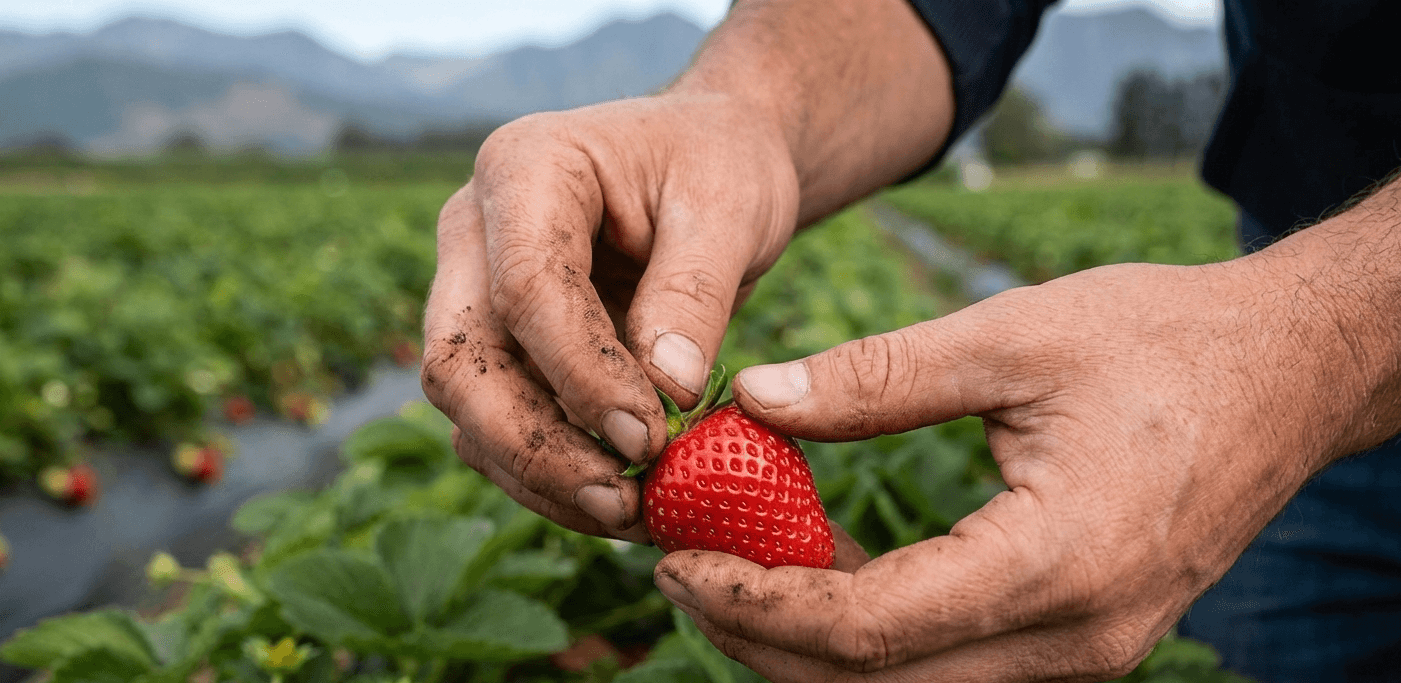
What the fields look like: Rows and rows of low strawberry plants with green leaves. The strawberries grow close to the ground, so you'll be bending, squatting, or sitting.
How to pick strawberries:
- Look for bright red berries (fully ripe)
- Gently grasp the strawberry
- Pinch or twist the stem right above the berry
- Place it carefully in your basket (don't drop – they bruise)
Pro tips for picking:
- Check under leaves – The biggest strawberries often hide underneath
- Look for heart-shaped berries – These tend to be sweetest
- Avoid berries with white tips – Not fully ripe yet
- Skip berries with brown spots – Overripe or damaged
- Spread out – Don't crowd one spot; explore different rows
Time needed:
- Quick visit: 20-30 minutes (pick 1/2 kilo and done)
- Leisurely visit: 45-60 minutes (pick several kilos, take photos, enjoy the field)
- With kids: 60-90 minutes (kids pick, play, eat berries)
After Picking
- Weigh your strawberries – Staff weigh your basket and calculate the cost
- Pay – Cash is preferred (some farms now accept GCash/cards)
- Browse market stalls – Most farms have vendors selling produce, snacks, and souvenirs
- Try strawberry taho – Don't leave without tasting this Baguio specialty!
What to Wear and Bring
Clothing
Must-wear:
- Comfortable, washable shoes – Fields can be muddy, especially after rain or morning dew. Wear shoes you don't mind getting dirty. Closed-toe shoes protect your feet from wet soil.
- Sun protection – Hat, sunglasses, sunscreen. The sun is strong at this altitude even on cool days.
- Layers – Morning starts cool (bring light jacket), warms up by midday (t-shirt underneath)
- Pants or capris – Better than shorts if you'll be sitting or kneeling in the field. Soil can be damp.
Avoid:
- White clothing (you'll probably stain it with strawberry juice or mud)
- Flip-flops or sandals (your feet will get muddy and cold)
- Expensive clothes (this is farm work, not fashion)
- Heavy jackets (you'll warm up quickly from bending and moving)
What to Bring
Essential:
- ✅ Cash in small bills (₱500 and ₱100 notes)
- ✅ Reusable shopping bag (for carrying purchased items)
- ✅ Wet wipes or hand sanitizer (you'll handle soil)
- ✅ Water bottle (stay hydrated)
- ✅ Phone/camera (for photos)
Optional but recommended:
- 📷 Portable charger (you'll take many photos)
- 🧴 Mosquito repellent (some fields have mosquitoes)
- 🧺 Small towel (to wipe hands or sit on)
- 👶 Baby carrier or stroller if you have young kids (though uneven terrain can be challenging)
Don't need to bring:
- Baskets (farms provide them)
- Gloves (not necessary – strawberries are clean)
- Food (vendors sell snacks)
Getting to La Trinidad Strawberry Farms
From Downtown Baguio
By Private Vehicle (EASIEST):
- Drive time: 20-30 minutes
- Route: Take Marcos Highway heading north toward La Trinidad
- GPS: Search "La Trinidad Strawberry Farm" or "Benguet State University Strawberry Farm"
- Parking: Free but limited (arrive early on weekends)
By Jeepney (BUDGET OPTION):
- From Baguio City proper (near Center Mall or Shuntug area)
- Look for jeepneys with "La Trinidad" or "Km. 5" signage
- Fare: ₱15-₱20
- Tell driver "Strawberry Farm po" – they'll drop you off
- Frequency: Jeepneys run every 10-15 minutes during daytime
- Return: Same jeepney route back to Baguio
By Taxi/Grab:
- From Session Road area: ₱150-₱250 one way
- From hotels in Camp John Hay area: ₱200-₱300
- Tip: Ask driver to wait (negotiate hourly rate ~₱300/hour) or arrange pickup time
From Manila
If you're coming straight from Manila, the strawberry farm is about 6-7 hours total travel:
- 5-6 hours Manila to Baguio
- 30 minutes Baguio to La Trinidad
Most visitors spend a night in Baguio first, then visit the farm the next morning. Check our guide on how to get to Baguio from Manila for detailed travel options.
Which Farm to Visit?
Benguet State University Strawberry Farm (Most Popular):
- Largest and most famous
- Well-maintained fields
- Plenty of parking
- Good facilities
- Can get very crowded on weekends
Private farms along the highway:
- Often less crowded
- Similar prices
- Smaller scale
- More personal attention from staff
- Some offer better mountain views
Truth: The strawberries taste the same regardless of which farm you pick. Choose based on convenience and crowd levels. If BSU farm looks packed, try the next farm down the road.
What to Expect: The Real Experience
The Good
It's genuinely fun – Even adults who think "it's just picking fruit" end up enjoying the hunt for perfect strawberries.
Great for kids – Children love the hands-on activity, the freedom to explore the fields, and eating berries right there.
Photo opportunities everywhere – The fields against mountain backdrops create beautiful photos. Morning light especially makes everything glow.
The strawberries taste amazing – Fresh-picked, sun-warmed strawberries are noticeably better than store-bought.
You'll buy more than expected – Once you start picking and see all the beautiful produce and products, you'll end up with several kilos and jams and plants...
The Challenges
You'll get muddy – Accept this going in. The fields are often damp, especially in the morning.
It's physically tiring – Bending, squatting, and moving between rows for 30-60 minutes is a workout. Your legs will feel it.
Berries can be picked over – If you arrive late or during peak season, the best berries may already be picked. This is why morning visits are crucial.
Crowds during peak times – Weekends and holidays can mean waiting in line, crowded fields, and difficulty finding good berries.
Weather can disrupt plans – If it rains (common in rainy season), farms may close or be extremely muddy. Always check weather forecasts.
It's expensive compared to markets – You're paying for the experience, not for economical strawberry shopping.
Is It Overhyped?
Honest answer: For first-time visitors to Baguio, no – it's one of those experiences that defines the trip. For repeat visitors who've done it multiple times, maybe skip it or just do a quick 15-minute pick-and-go.
The experience is best when:
- You visit during peak season (Feb-March)
- You go early morning
- You have kids or people who've never picked fruit before
- Weather is good
- You approach it as an activity, not just shopping
Combining Strawberry Picking with Other La Trinidad Attractions
Don't drive all the way to La Trinidad just for strawberries. Make it a half-day adventure by combining multiple attractions in the area:
Perfect La Trinidad Morning Route (3-4 hours)
8:00 AM - Strawberry Farm
- Pick strawberries while fields are fresh
- Buy strawberry products and vegetables
- Try strawberry taho
- Time: 1-1.5 hours
9:30 AM - Valley of Colors (StoBoSa)
- Drive 5 minutes to viewing point
- Photograph the colorful painted houses on the hillside
- Quick stop: 10-15 minutes
- Free entrance
10:00 AM - Bell Church (Taoist Temple)
- Drive another 5 minutes
- Explore the Chinese temple with ornate architecture
- Gardens, pagodas, and dragon statues
- Time: 30-45 minutes
- Free entrance (donations welcome)
11:00 AM - Return to Baguio for lunch
- Session Road restaurants
- Or continue with your Baguio itinerary
This route is efficient because everything is within 5-10 minutes of each other. You experience agriculture, culture, and scenic views all in one morning.
Strawberry Products to Buy
Beyond picking fresh strawberries, the farms and surrounding vendors sell various strawberry products:
Best Buys
Strawberry Jam (₱100-₱200 per jar)
- Made from La Trinidad strawberries
- Great pasalubong (gift for people back home)
- Lasts months in the fridge
- Pro tip: Good Shepherd Convent's strawberry jam is famous but you can find similar quality at the farms for less
Strawberry Wine (₱150-₱400 per bottle)
- Unique local product
- Sweet, mild alcohol content
- Conversation starter gift
- Some are better than others (ask to taste if possible)
Strawberry Taho (₱25-₱40)
- MUST TRY on site
- Warm silken tofu with strawberry syrup
- Uniquely Baguio/La Trinidad
- Can't take home (consumed immediately)
Fresh Strawberries (obviously)
- Keep refrigerated
- Best consumed within 3-5 days
- Wash before eating
- Great for smoothies, desserts, or eating fresh
Also Available
- Strawberry ice cream
- Strawberry crinkles (cookies)
- Dried strawberries
- Strawberry vinegar (surprisingly good)
- Fresh vegetables (lettuce, carrots, broccoli – La Trinidad is a vegetable capital)
- Cut flowers and potted plants
Tips for the Best Strawberry Picking Experience
Before You Go
- Check the weather – Rainy day? Call ahead to confirm farms are open. Bring rain gear or reschedule.
- Visit during peak season – February-March gives you the best strawberries and best experience overall.
- Aim for weekday mornings – Seriously. The difference between arriving at 8:00 AM Tuesday versus 11:00 AM Saturday is night and day.
- Bring cash – While some vendors accept digital payments, cash is still king at the farms.
- Lower your expectations slightly – It's a working farm, not a theme park. Facilities are basic. That's part of the authentic charm.
During Your Visit
- Try before you buy – Most farms let you taste a few strawberries while picking. This helps you identify the sweetest berries.
- Pick more than you think – Strawberries are lighter than they look. What seems like a lot in your basket might only be 1/2 kilo.
- Look under the leaves – This is where the biggest, ripest berries hide from the sun and other pickers.
- Bring kids down to the field – Let them actually pick. Kids as young as 3-4 can do this with supervision. They'll love it.
- Take breaks – Picking strawberries is more tiring than expected. Stand up, stretch, take photos, rest your back.
- Buy vegetables too – The fresh lettuce, broccoli, and carrots are excellent quality and much cheaper than in Manila.
- Don't skip strawberry taho – I'm serious. It's a Baguio signature and you should try it while you're there.
After Your Visit
- Rinse strawberries before storing – Quick rinse in cold water, then pat dry before refrigerating.
- Eat the best ones immediately – The largest, ripest strawberries don't keep as long. Enjoy them the same day.
- Freeze extras – If you picked too many, freeze them for smoothies. They'll last months frozen.
Family-Friendly Tips
With toddlers (2-5 years):
- Bring a baby carrier or be prepared to carry them – walking in fields is hard for little legs
- Let them pick 5-10 strawberries each (they'll lose interest quickly)
- Bring wipes for sticky hands and faces
- Expect to chase them around the field
With young kids (6-12 years):
- Make it a game: "Who can find the biggest strawberry?"
- Give each kid their own small basket
- Set a kilo limit so they don't go crazy
- Take photos of them picking (memories!)
With teens:
- They'll enjoy it more than they admit
- Give them photography duties
- Let them try strawberry wine tasting if appropriate age
- They'll appreciate the Instagram photos later
Where to Stay in La Trinidad/Baguio Area: JMGNest offers spacious family accommodations just 5-10 minutes from the strawberry farms. Kids can wash up easily after muddy farm visits, and you have a full kitchen to use those fresh strawberries. View Our Property
Frequently Asked Questions
Q: Can I eat strawberries while picking?
A: Yes, most farms allow you to taste a few berries while picking. This is part of the experience. Just don't go overboard – you're expected to buy what you pick, not fill up on free strawberries. A few tastes are fine; eating a full meal in the field is not cool.
Q: What if it rains during my visit?
A: Light drizzle? Farms usually stay open. Heavy rain? Many farms close because fields become too muddy and slippery. If rain is forecasted, call ahead or have a backup plan. Some farms have covered areas where you can wait out brief showers.
Q: Are there restrooms at the strawberry farms?
A: Most farms have basic restroom facilities, though cleanliness varies. They're functional but not luxurious. Consider using facilities at your hotel before heading to the farm.
Q: Can I bring my own containers instead of using farm baskets?
A: Generally no. Farms provide baskets or bags and weigh them at checkout. Bringing your own might raise questions about whether you're trying to sneak strawberries out. Just use what they provide.
Q: How long do fresh-picked strawberries last?
A: In the refrigerator: 3-5 days for best quality, up to 7 days if you're not picky. At room temperature: 1-2 days max. Freeze them if you can't eat them all within a few days. Frozen strawberries last 3-6 months and work great for smoothies.
Q: Is strawberry picking accessible for elderly or people with mobility issues?
A: It's challenging. You need to bend, squat, and walk on uneven, potentially muddy ground. However, some farms have strawberries in raised beds that are easier to access. Call ahead and ask if they have accessible picking areas. Otherwise, elderly visitors can enjoy buying pre-picked strawberries from the market stalls.
Q: Can I visit the strawberry farm during rainy season (June-October)?
A: Farms are open year-round, but you won't find pick-your-own strawberries outside the November-May season. During off-season, you can still buy strawberries at market stalls (imported or greenhouse-grown), but the authentic picking experience requires visiting during proper season.
Q: Is it worth going if I'm traveling solo?
A: It's definitely more fun with company, but solo travelers can still enjoy it. You'll pick less (maybe just 1/4-1/2 kilo), but you get the experience, photos, and fresh strawberries. Many solo travelers combine it with other La Trinidad sights to make it a full morning adventure.
Conclusion
Strawberry picking in La Trinidad isn't just about the fruit – it's about the experience of being in cool mountain air, bending over green fields with the Cordillera Mountains as your backdrop, searching for that perfect red berry, and tasting it moments after harvest. It's one of those quintessential Baguio activities that captures why people love this mountain city.
Yes, you'll pay more than market price. Yes, you'll get muddy. Yes, your back might hurt after all that bending. And you'll still think it was worth it when you're eating the sweetest strawberries you've ever tasted while looking at photos of your family smiling in the strawberry fields.
The key to a great experience is simple: visit during peak season (February-March), arrive early morning (7:00-9:00 AM), wear appropriate clothing, and approach it with realistic expectations. It's a farm, not Disneyland. That's what makes it authentic.
Combine strawberry picking with other top Baguio attractions for a complete mountain getaway. And remember that where you stay matters – being close to La Trinidad means you can easily hit the farms early and return for a shower before continuing your day.
For more details on planning your Baguio trip, check out our complete Baguio travel guide covering all major attractions, or browse our 3-day itinerary that includes strawberry picking as part of a perfect Baguio experience.
Ready to experience strawberry picking in Baguio? Stay at JMGNest, perfectly located just 5-10 minutes from La Trinidad farms and 15 minutes from downtown Baguio. Our spacious vacation rental offers families the room to spread out, full kitchen to use those fresh strawberries, and free parking. Wake up, drive to the farms, pick strawberries, and return to comfort. Book Your Stay Today
You Might Also Like

Things to Do in the Philippines: Best Regions & Experiences
A native's honest ranking of the Philippines' best regions and experiences, from Palawan's beaches to Baguio's mountains, with clear verdicts on what's worth it.
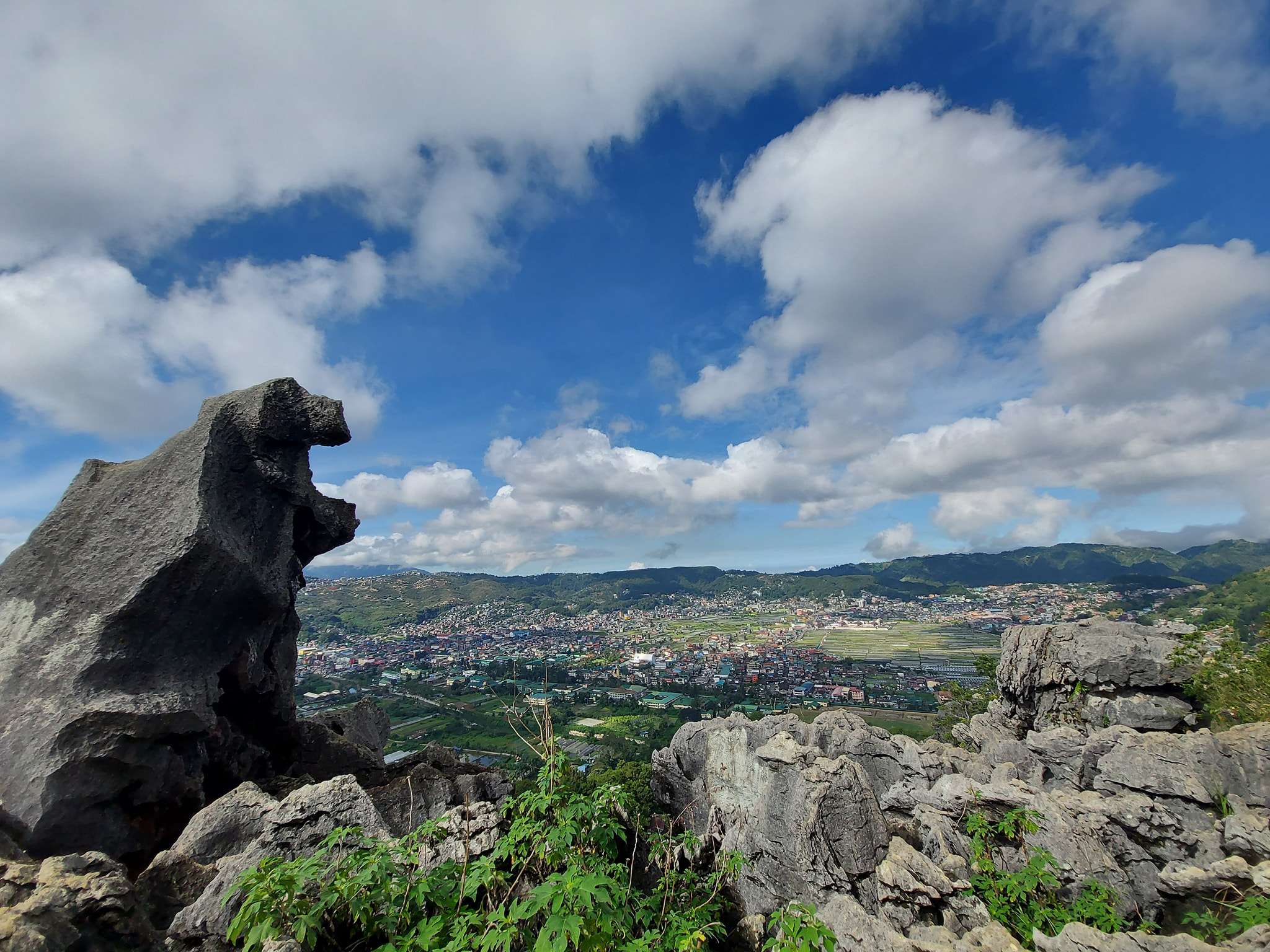
Mt. Kalugong La Trinidad: Hiking Guide, Views and Kape-an Cafe
Mt. Kalugong offers stunning limestone formations and panoramic La Trinidad valley views. Easy 45-minute hike with Kape-an Cafe at the summit for perfect sunset watching.
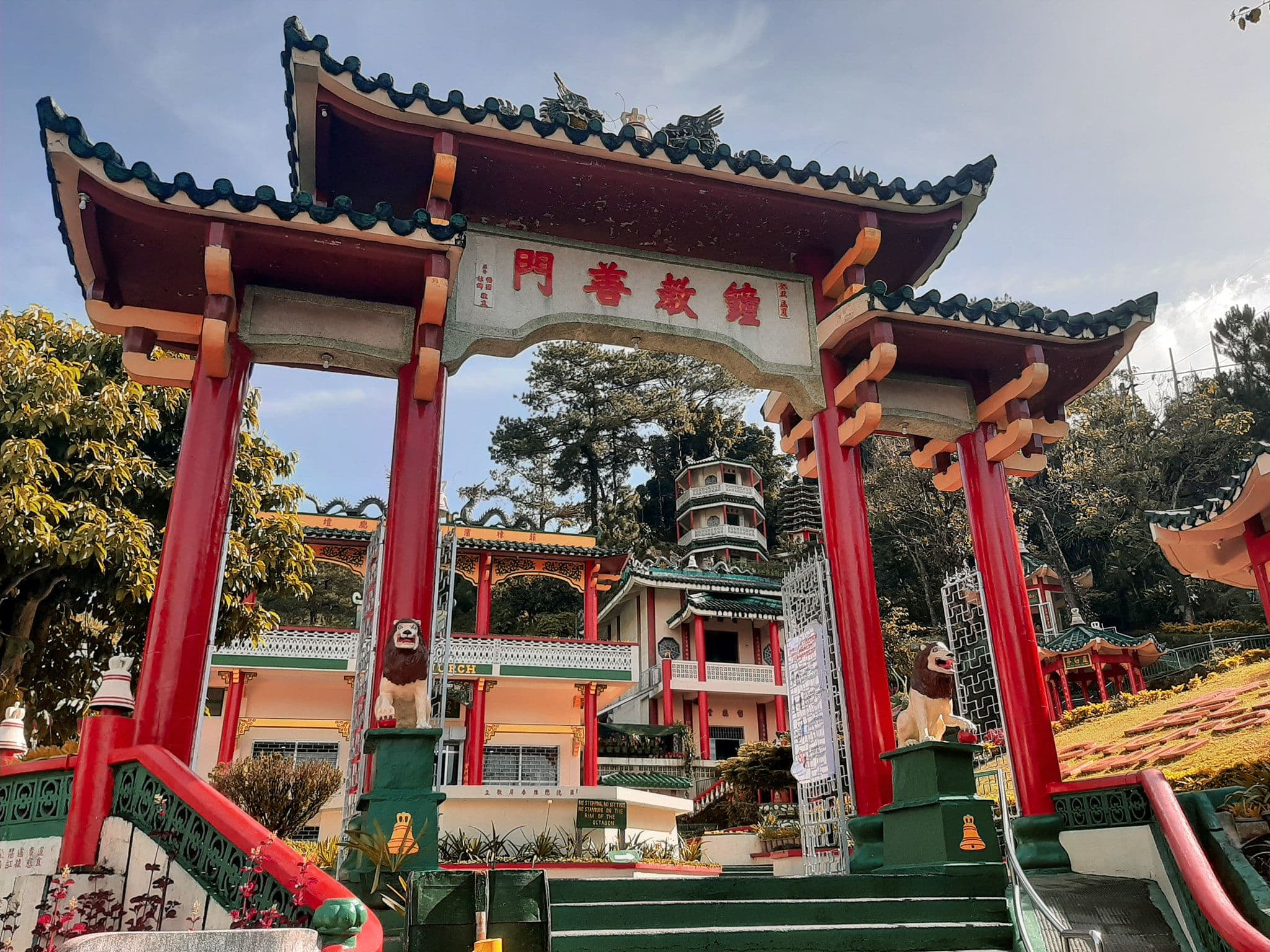
Bell Church La Trinidad: The Chinese Buddhist Temple at the Edge of Baguio
Discover Bell Church La Trinidad, a beautiful Chinese Buddhist temple that feels like stepping into another world. Complete visitor guide with practical tips.